The Hands of a God: How Christiaan Barnard Stole Death's Thunder and Gave the World the First Human Heart Transplant

The Hands of a God: How Christiaan Barnard Stole Death’s Thunder and Gave the World the First Human Heart Transplant

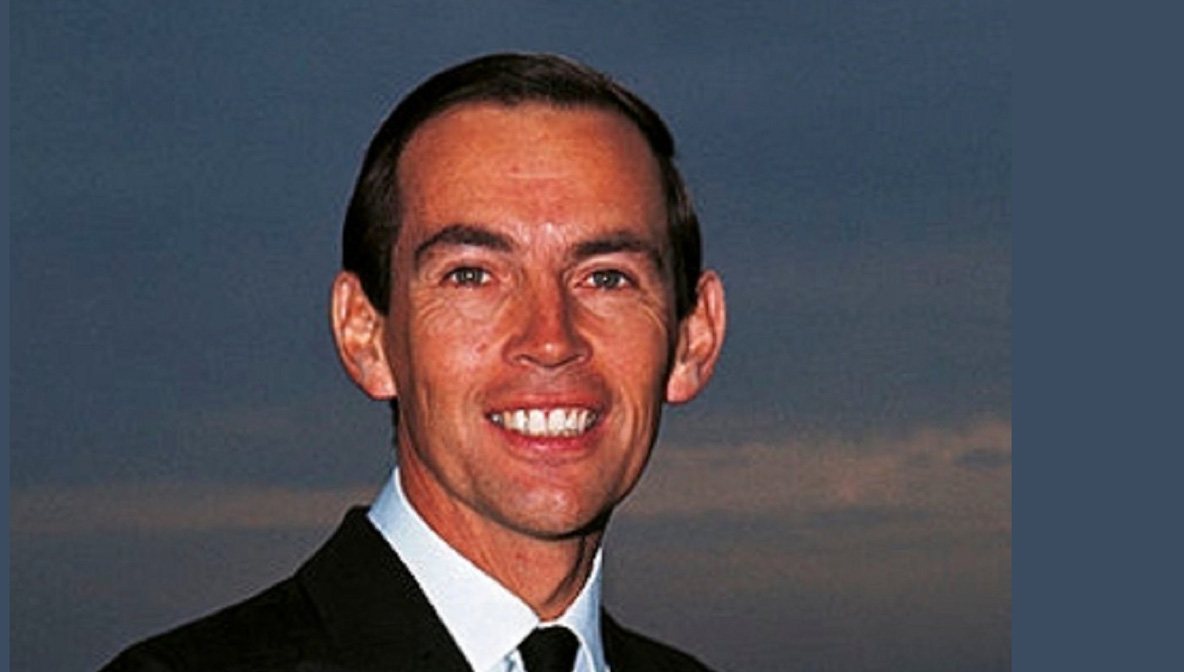
There are moments in history where the line between life and death, once considered an immutable frontier, is suddenly and dramatically redrawn. December 3, 1967, was one of those moments. In a operating theater in Cape Town, South Africa, a 53-year-old grocer named Louis Washkansky, dying from irreversible heart damage, was given the heart of a young woman, Denise Darvall, who had been killed in a car accident. For five hours, a team led by a handsome, ambitious, and fiercely determined surgeon named Dr. Christiaan Barnard performed a medical miracle…
The Cosmic Seamstress: How Valentina Tereshkova Defied Gravity and Stitched Her Name Among the Stars

The Cosmic Seamstress: How Valentina Tereshkova Defied Gravity and Stitched Her Name Among the Stars

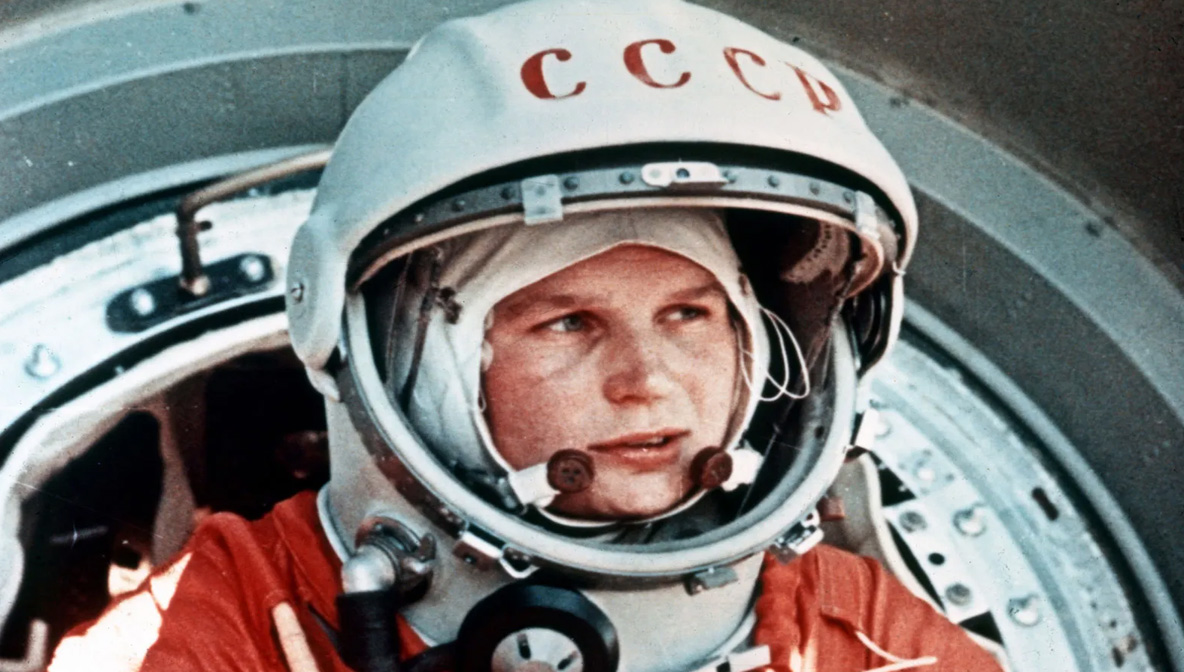
Look up at the night sky. For all of human history, its vast, dark expanse was a realm reserved for myth, for gods, for men with telescopes, and eventually, for men in rockets. But on a summer day in 1963, that all changed. A 26-year-old woman from a tiny Russian village, with no piloting experience, strapped herself into a metal capsule and was launched into the blackness of space. Her name was Valentina Tereshkova, and she wasn't just a passenger; she was the sole commander of her spacecraft, Vostok-6. With…
Neil Armstrong: The Quiet Hero Who Walked on the Moon

Neil Armstrong: The Quiet Hero Who Walked on the Moon

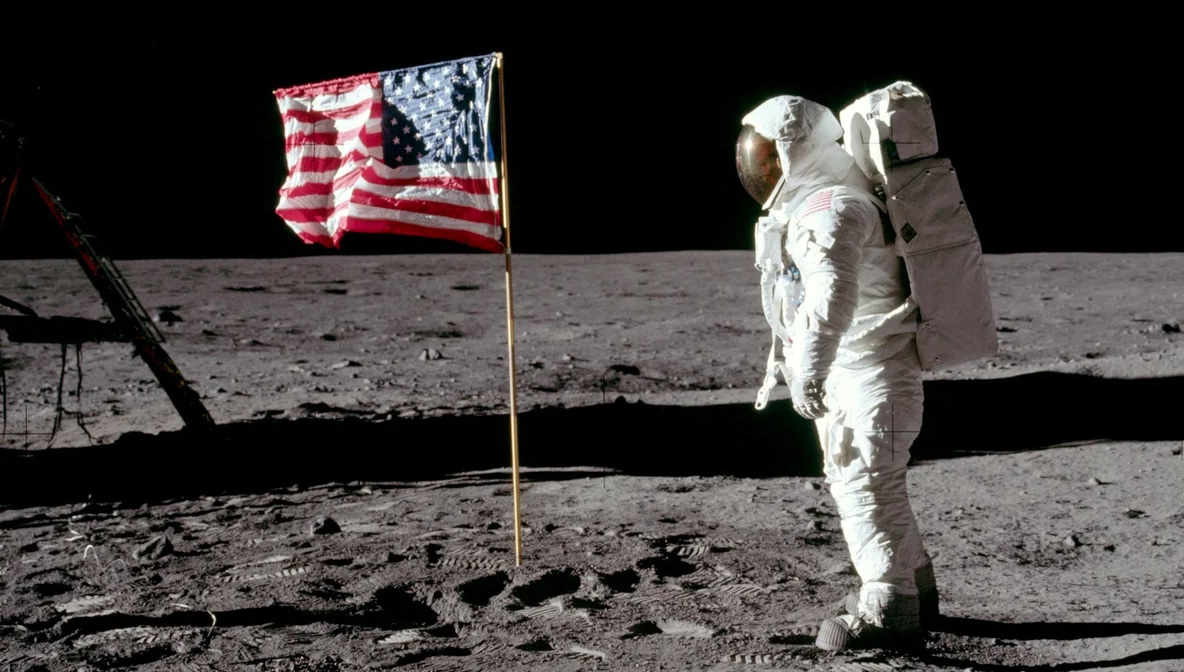
Introduction Neil Armstrong didn’t just take a step—he made the greatest leap in human history. On July 20, 1969, the soft-spoken test pilot became the first person to walk on the Moon, uttering the immortal words: "That’s one small step for man, one giant leap for mankind." But behind this iconic moment was a man who shunned fame, loved flying more than talking, and carried the weight of history with quiet humility. This is the story of how a small-town boy from Ohio touched the stars. Early Life & Background Born on August 5, 1930, in…
Sully Prudhomme - The first Nobel Prize in Literature in 1901

Sully Prudhomme – The first Nobel Prize in Literature in 1901

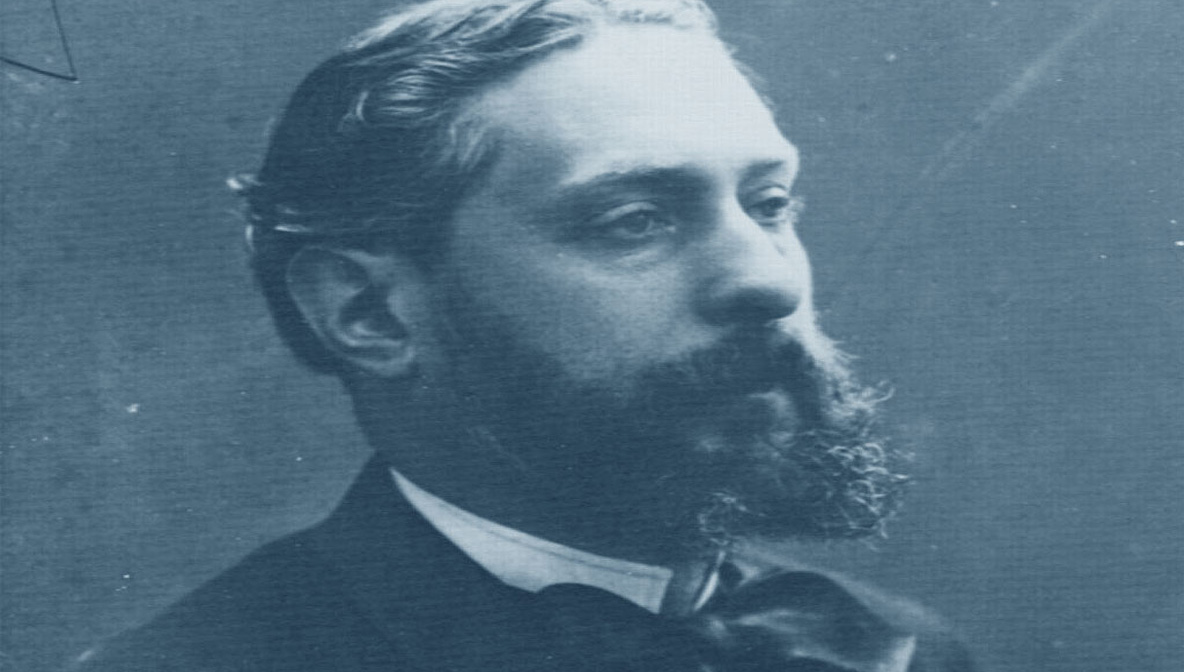
Introduction René François Armand “Sully” Prudhomme (16 March 1839 – 6 September 1907) was a pioneering French poet and essayist, awarded the first Nobel Prize in Literature in 1901 for his harmonious blend of heart and intellect Associated with the Parnassian movement, he uniquely sought to harmonize formal elegance with philosophical and scientific reflection in his poetry 🧭 Full Biography with Details Early Life (1839–1858) Born in Paris to Clotilde Caillat and a deceased shopkeeper father, prompting relocation to his uncle's home Educated at Lycée Bonaparte; considered engineering and monastic life but was diverted by…
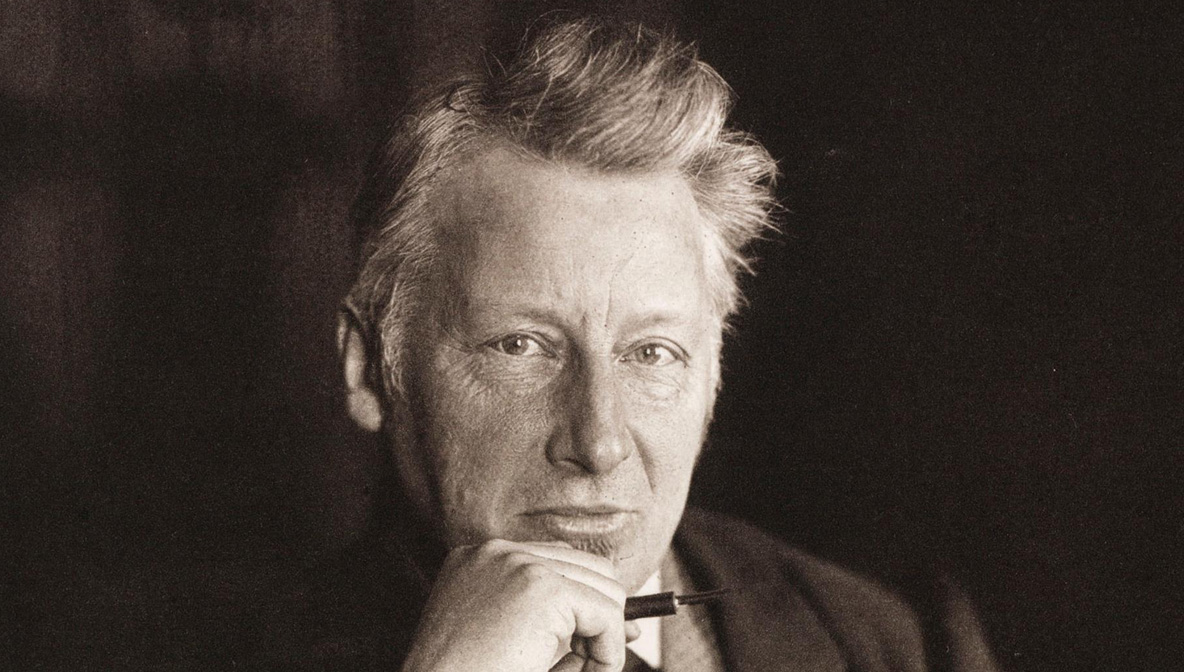
Jacobus van 't Hoff - The first Nobel Prize in Chemistry in 1901

Jacobus van ‘t Hoff – The first Nobel Prize in Chemistry in 1901

Introduction Jacobus Henricus van ’t Hoff (30 August 1852 – 1 March 1911) was a Dutch chemist who shaped modern chemistry by pioneering stereochemistry and founding physical chemistry. He was the first-ever Nobel Laureate in Chemistry (1901), honored “for the extraordinary services he has rendered by the discovery of the laws of chemical dynamics and osmotic pressure in solutions” 🧪 Full Biography Early Life & Education (1852–1874) Born in Rotterdam, the third of seven children to a physician father Initially drawn to philosophy, poetry, maths, physics—studied at Delft (1869–71), Leiden, then Bonn (under Kekulé), Paris…
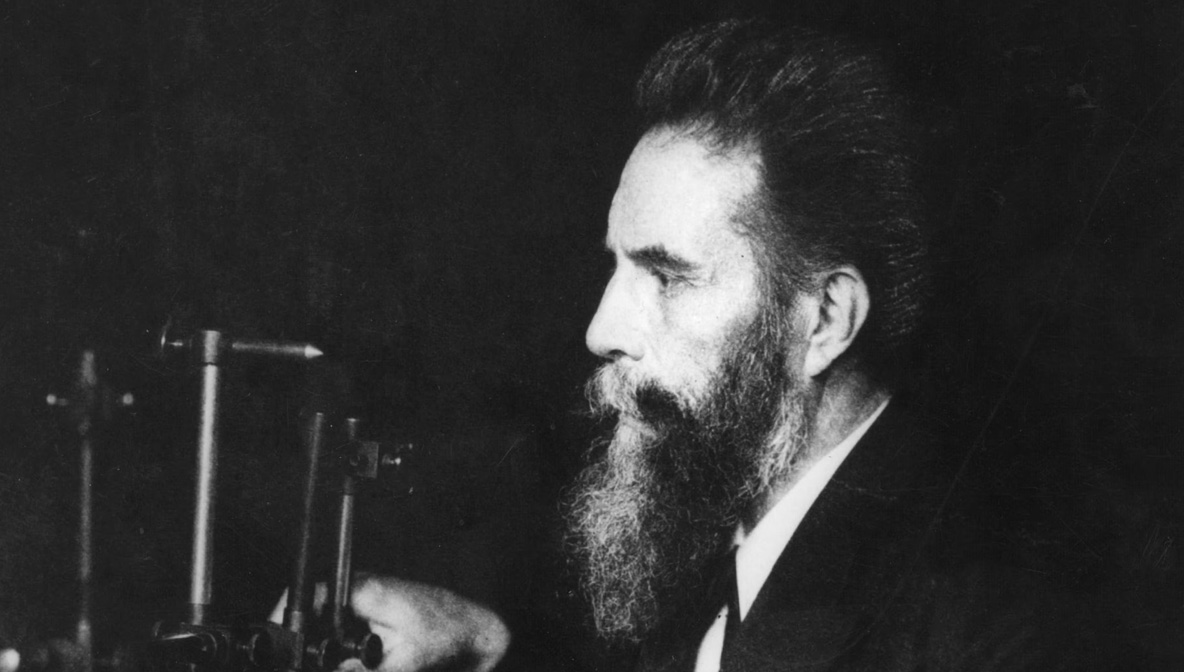
Wilhelm Röntgen: The first Nobel Prize in Physics in 1901

Wilhelm Röntgen: The first Nobel Prize in Physics in 1901

"Wilhelm Röntgen: The Accidental Discovery That Revolutionized Medicine" Early Life and Education Wilhelm Conrad Röntgen was born on March 27, 1845, in Lennep, a small town in the Rhine Province of Prussia (now part of Remscheid, Germany). He was the only child of Friedrich Conrad Röntgen, a cloth merchant, and Charlotte Constanze Frowein, who came from a wealthy Dutch family. When Wilhelm was three years old, the family moved to Apeldoorn, Netherlands, where he attended the Institute of Martinus Herman van Doorn. Despite showing promise in technical subjects, Röntgen had…
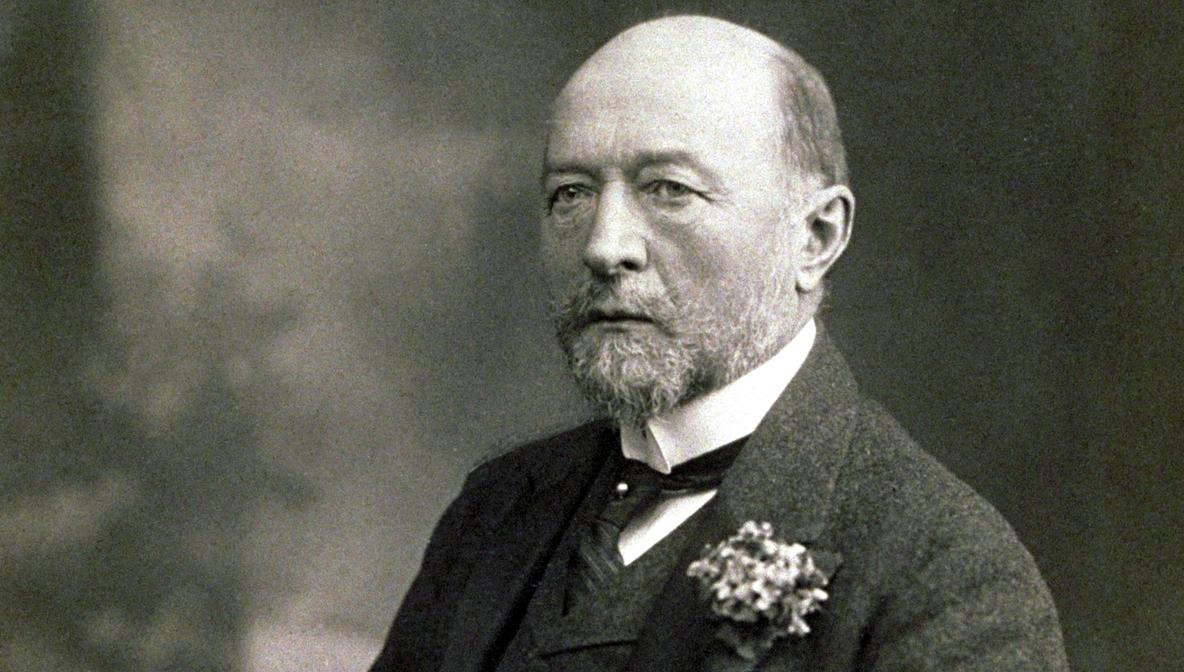
Emil von Behring - The first Nobel Prize in Medicine in 1901

Emil von Behring – The first Nobel Prize in Medicine in 1901

Emil von Behring (1854–1917) 1. Early Life & EducationBorn Adolf Emil Behring on 15 March 1854 in Hansdorf, West Prussia (today Ławice, Poland). He was the eldest of 13 children in a financially constrained family—his father was a schoolmaster . Initially on track for priesthood, a family friend redirected him toward medicine. 2. Medical Training & Military CareerIn 1874, Behring entered the Friedrich-Wilhelms- or Kaiser-Wilhelm-Army Medical Institute in Berlin—tuition-free but requiring military service upon graduation. He earned his medical degree in 1878 and passed state exams in 1880  He served…
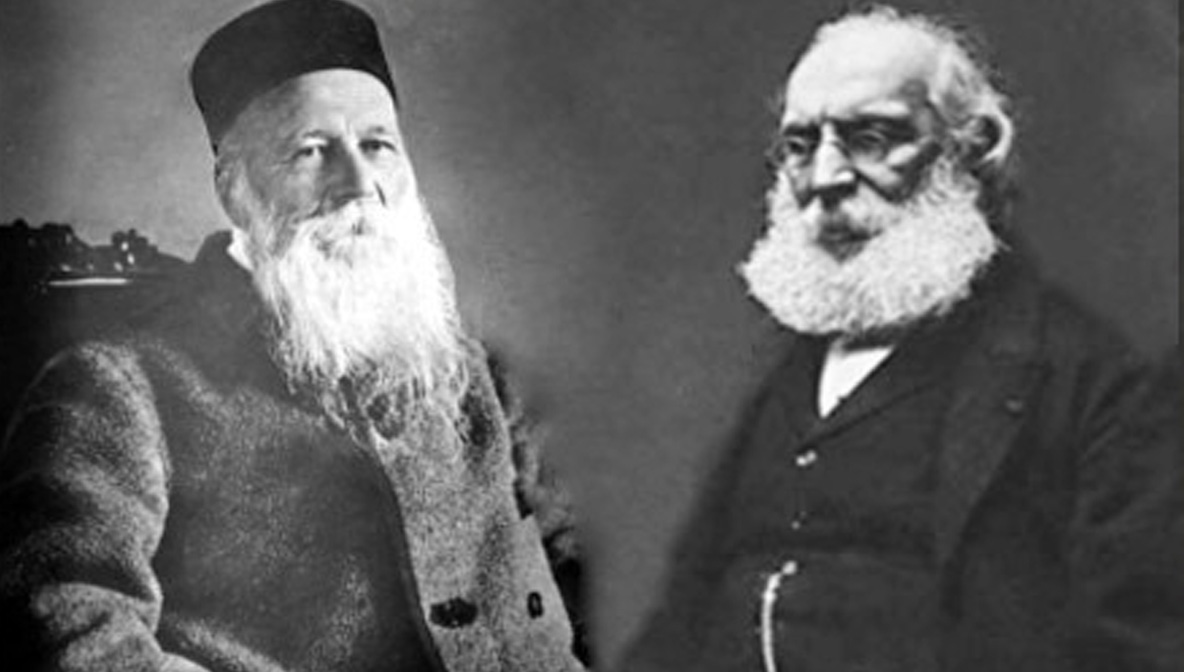
Henry Dunant and Frédéric Passy - The first Nobel Prize in Peace in 1901

Henry Dunant and Frédéric Passy – The first Nobel Prize in Peace in 1901

🕊️ Introduction In 1901, the Nobel Peace Prize was awarded for the first time — and it went to two men who transformed the ideals of humanitarianism and pacifism into global movements: Henry Dunant of Switzerland, founder of the Red Cross, and Frédéric Passy of France, a passionate peace advocate and economist. Their lives, while distinct in focus, converged in purpose: to reduce human suffering and promote lasting peace. 🇨🇭 Henry Dunant (1828–1910) – Founder of the Red Cross ✦ Early Life Born on May 8, 1828, in Geneva, Switzerland.…
Yuri Gagarin: The First Man in Space – A Hero Who Touched the Stars

Yuri Gagarin: The First Man in Space – A Hero Who Touched the Stars

Introduction Yuri Gagarin didn’t just make history—he rewrote humanity’s place in the universe. On April 12, 1961, the unassuming Soviet pilot became the first human to journey into space, orbiting Earth in a tiny capsule called Vostok 1. His 108-minute flight didn’t just win the Space Race—it unlocked the cosmos for all of us. This biography explores how a humble farm boy became the most famous cosmonaut in history—and why his legacy still shines brighter than the stars he conquered. Early Life & Background Born on March 9, 1934, in Klushino, USSR, Yuri Alekseyevich Gagarin grew…