
Introduction
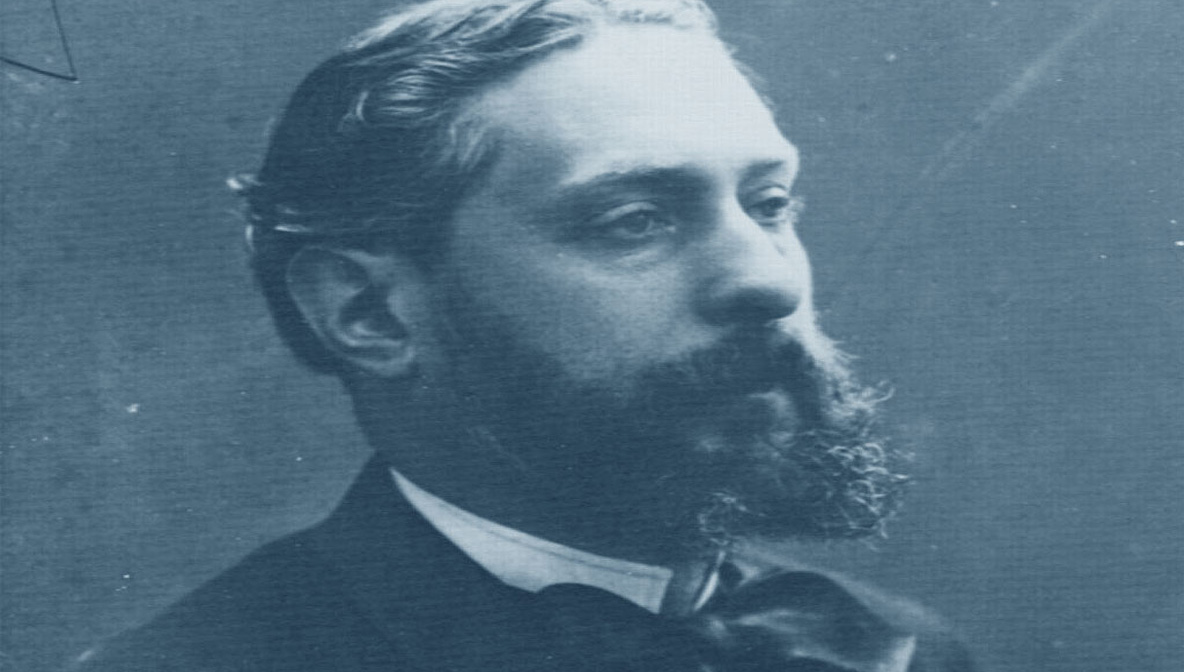
René François Armand “Sully” Prudhomme (16 March 1839 – 6 September 1907) was a pioneering French poet and essayist, awarded the first Nobel Prize in Literature in 1901 for his harmonious blend of heart and intellect Associated with the Parnassian movement, he uniquely sought to harmonize formal elegance with philosophical and scientific reflection in his poetry
🧭 Full Biography with Details
Early Life (1839–1858)
-
Born in Paris to Clotilde Caillat and a deceased shopkeeper father, prompting relocation to his uncle’s home
-
Educated at Lycée Bonaparte; considered engineering and monastic life but was diverted by persistent eye problems
-
Briefly worked at Schneider steel foundry before moving to law and clerical work, writing poems during this period
Literary Beginnings (1863–1870)
-
First published poem “L’Art” (1863); debut collection Stances et Poèmes (1865) received praise from critic Sainte‑Beuve
-
Other early volumes: Les Épreuves (1866), Les Solitudes (1869)—includes his renowned Le Vase brisé
-
Personal tragedies and Franco‑Prussian War duty in 1870 led to lasting paralysis and declining health
Philosophical and Epic Poetry (1870–1890)
-
Transitioning toward profound themes, he composed philosophical epics: La Justice (1878) and Le Bonheur (1888), exploring morality, human consciousness, and sacrifice
-
Translated Lucretius’s De rerum natura as part of his intellectual ambition
Prose and Theoretical Work (1880–1906)
-
Shifted to essays: L’Expression dans les beaux‑arts (1884), Réflexions sur l’art des vers (1892), writings on Pascal, and philosophical articles, including on free will (1906)
-
Inducted into the Académie Française in 1881; earned Chevalier de la Légion d’Honneur in 1895
Nobel Prize and Later Years (1901–1907)
-
Awarded the 1901 Nobel Prize in Literature “for lofty idealism, artistic perfection and a rare combination of heart and intellect”
-
Used prize funds to establish a poetry award for young French poets and co‑founded the Société des poètes français in 1902
-
Continued writing philosophical essays despite worsening paralysis; died at home in Châtenay‑Malabry and was interred at Père‑Lachaise Cemetery
What Can We Learn from Sully Prudhomme?
-
Merge artistry with intellect: He demonstrated that poetry can be both emotionally resonant and intellectually robust.
-
Adapt adversity constructively: Health setbacks deepened his thematic explorations.
-
Elevate formality and rigor: His devotion to classical form without sacrificing innovation offers lessons in disciplined creativity.
-
Commit to cultural legacy: His efforts to support younger poets reflect his belief in nurturing future art.
-
Balance skepticism with hope: His works acknowledge suffering while affirming human potential.
Sully Prudhomme exemplifies how thoughtful, formally elegant art can deeply engage with science and philosophy—showing us how creativity and intellect can truly enrich each other.