
Introduction
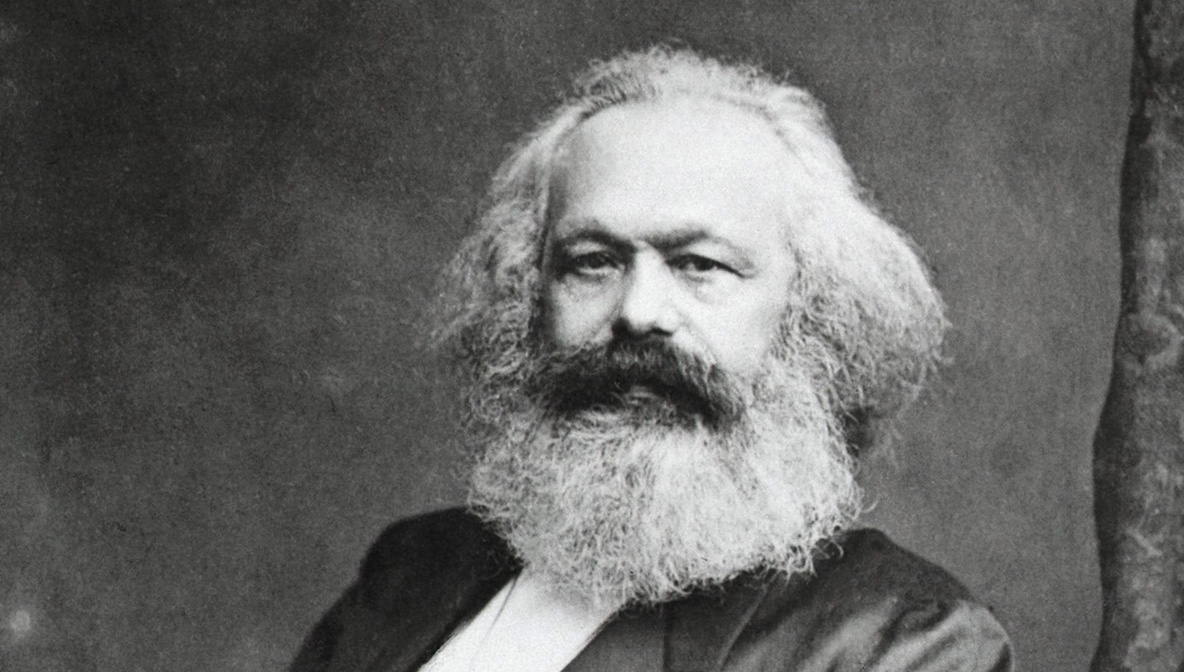
Karl Marx wasn’t just a philosopher—he was a revolutionary, an economist, and a social critic whose ideas changed the course of history. Born in 19th-century Germany, his writings on class struggle, capitalism, and communism inspired revolutions, shaped nations, and continue to influence politics and economics today.
From The Communist Manifesto to Das Kapital, Marx’s theories challenged the powerful and gave voice to the working class. But who was the man behind these world-changing ideas? This biography explores Marx’s life, struggles, and enduring legacy.
Early Life & Background
Karl Heinrich Marx was born on May 5, 1818, in Trier, Prussia (now Germany), into a middle-class Jewish family. His father, Heinrich Marx, was a lawyer who later converted to Christianity to escape anti-Jewish laws.
Young Marx was brilliant but rebellious. He studied law at the University of Bonn (where he drank and dueled more than he studied) before transferring to the University of Berlin, immersing himself in philosophy. There, he joined the Young Hegelians, a radical group challenging religion and politics.
By his mid-20s, Marx’s revolutionary ideas got him banned from Germany and France, forcing him into exile.
Career & Achievements
1. The Birth of Marxism
Marx teamed up with Friedrich Engels, a fellow thinker and wealthy industrialist, who became his lifelong collaborator. Together, they wrote:
-
The Communist Manifesto (1848) – A fiery call for workers to unite against capitalist oppression.
-
Das Kapital (1867) – A deep critique of capitalism, arguing that it exploits workers for profit.
2. Activism & Exile
Marx spent most of his life in London, writing, organizing workers, and contributing to socialist movements. He worked as a journalist, covering workers’ struggles and European revolutions.
3. Key Theories That Changed the World
✔ Class Struggle – History is a battle between the rich (bourgeoisie) and the workers (proletariat).
✔ Surplus Value – Workers create wealth but are paid far less than their labor’s worth.
✔ Revolution – Capitalism would collapse, leading to a classless, communist society.
Personal Life
Marx’s personal life was full of hardship. He married Jenny von Westphalen, an educated aristocrat who stood by him despite poverty. They had seven children, but only three survived to adulthood due to poor living conditions.
Marx was often broke, sick, and depressed, relying on Engels’ financial help. Yet, he never stopped writing and fighting for his beliefs.
Legacy & Impact
Marx’s ideas sparked revolutions, governments, and global movements:
-
Russian Revolution (1917) – Lenin and the Bolsheviks built the USSR on Marxist principles.
-
Cold War Politics – Marx’s theories divided the world into capitalist vs. communist blocs.
-
Modern Socialism & Labor Rights – Unions, worker protections, and social welfare policies owe much to his critiques.
Even today, debates about inequality, corporate power, and workers’ rights trace back to Marx.
Final Thoughts & What We Learn
Karl Marx’s life teaches us:
✔ Ideas Can Change the World – His writings inspired millions, for better or worse.
✔ Question the System – He challenged the status quo, pushing society to think differently about wealth and power.
✔ Sacrifice for Beliefs – Despite poverty and exile, he never abandoned his mission.
Marx was far from perfect—his predictions didn’t all come true, and communist regimes often failed. Yet, his critique of capitalism remains shockingly relevant in today’s age of billionaires and gig workers.
Why Marx Still Matters
Whether you love or hate his ideas, Marx forced the world to confront greed, exploitation, and inequality. In an era of rising wealth gaps and corporate dominance, his questions still demand answers.
Final Word: Karl Marx wasn’t just a thinker—he was a firebrand who dared to imagine a fairer world.