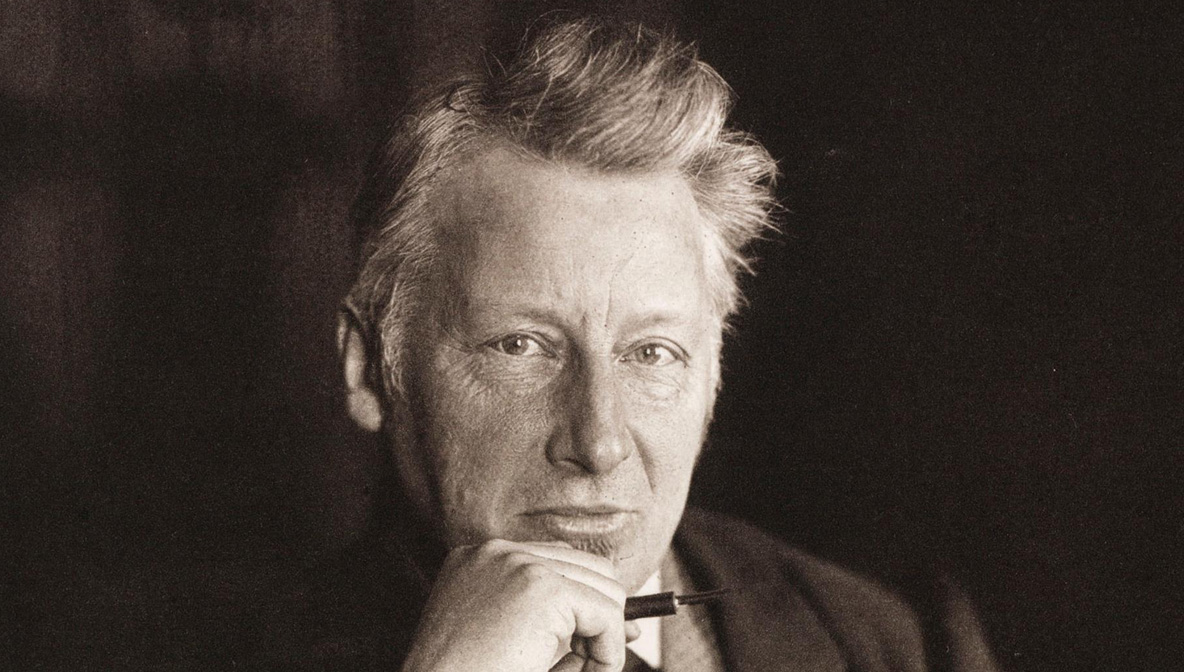
Jacobus van 't Hoff - The first Nobel Prize in Chemistry in 1901

Jacobus van ‘t Hoff – The first Nobel Prize in Chemistry in 1901

Introduction Jacobus Henricus van ’t Hoff (30 August 1852 – 1 March 1911) was a Dutch chemist who shaped modern chemistry by pioneering stereochemistry and founding physical chemistry. He was the first-ever Nobel Laureate in Chemistry (1901), honored “for the extraordinary services he has rendered by the discovery of the laws of chemical dynamics and osmotic pressure in solutions” 🧪 Full Biography Early Life & Education (1852–1874) Born in Rotterdam, the third of seven children to a physician father Initially drawn to philosophy, poetry, maths, physics—studied at Delft (1869–71), Leiden, then Bonn (under Kekulé), Paris…
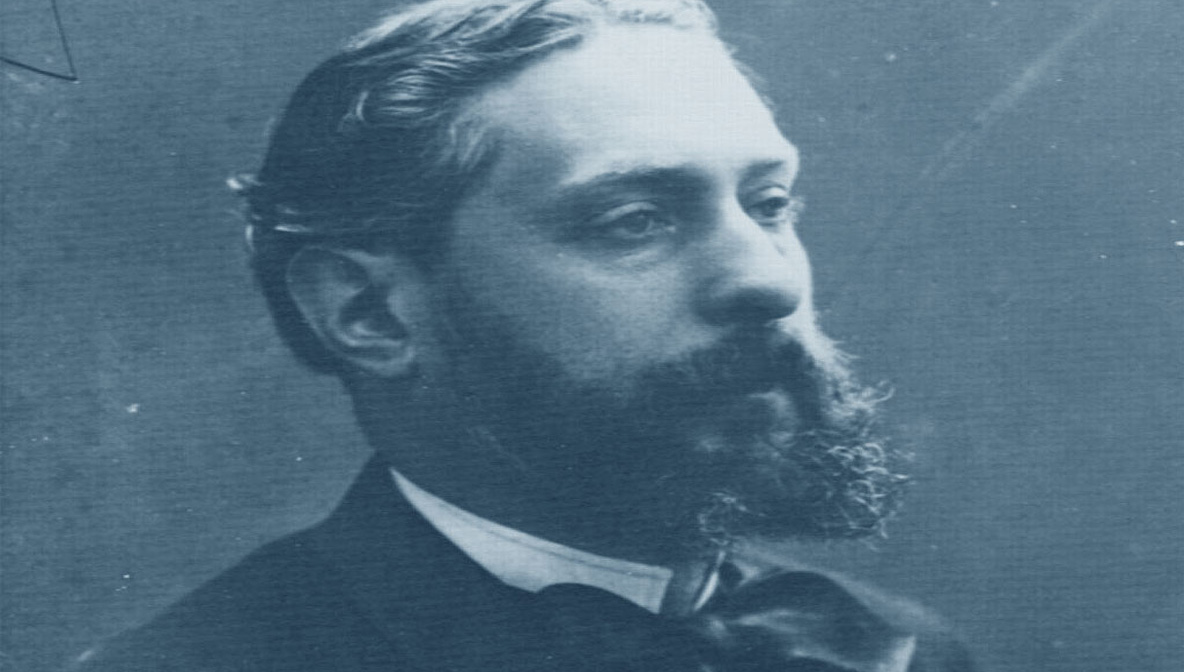
Sully Prudhomme - The first Nobel Prize in Literature in 1901

Sully Prudhomme – The first Nobel Prize in Literature in 1901

Introduction René François Armand “Sully” Prudhomme (16 March 1839 – 6 September 1907) was a pioneering French poet and essayist, awarded the first Nobel Prize in Literature in 1901 for his harmonious blend of heart and intellect Associated with the Parnassian movement, he uniquely sought to harmonize formal elegance with philosophical and scientific reflection in his poetry 🧭 Full Biography with Details Early Life (1839–1858) Born in Paris to Clotilde Caillat and a deceased shopkeeper father, prompting relocation to his uncle's home Educated at Lycée Bonaparte; considered engineering and monastic life but was diverted by…
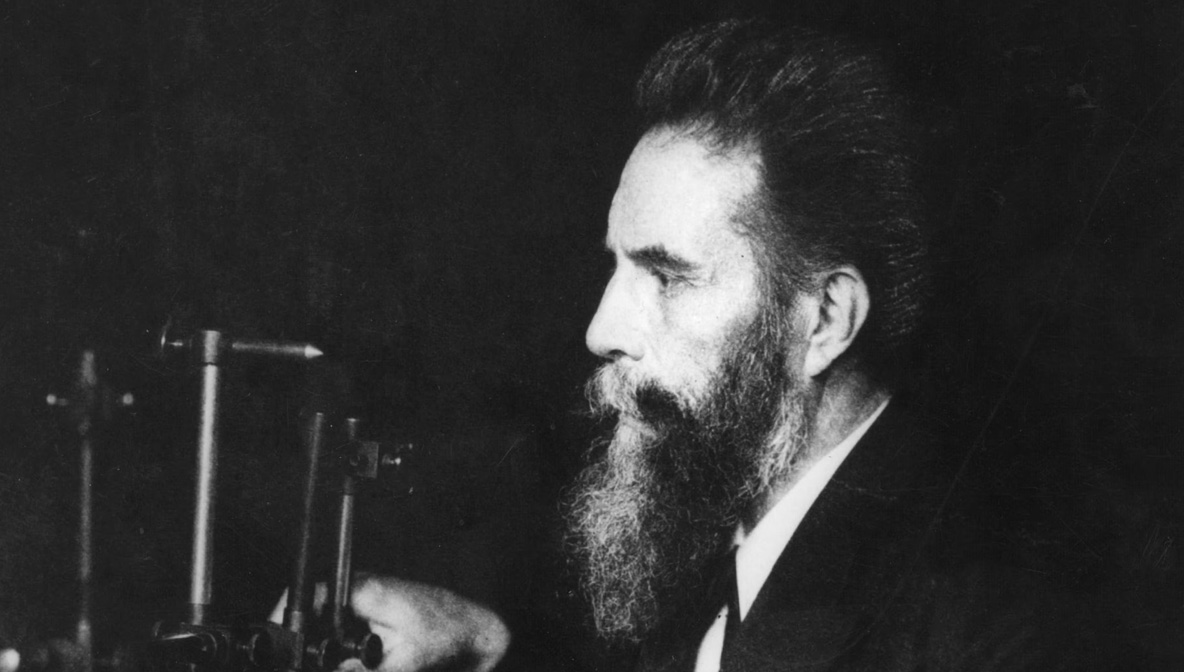
Wilhelm Röntgen: The first Nobel Prize in Physics in 1901

Wilhelm Röntgen: The first Nobel Prize in Physics in 1901

"Wilhelm Röntgen: The Accidental Discovery That Revolutionized Medicine" Early Life and Education Wilhelm Conrad Röntgen was born on March 27, 1845, in Lennep, a small town in the Rhine Province of Prussia (now part of Remscheid, Germany). He was the only child of Friedrich Conrad Röntgen, a cloth merchant, and Charlotte Constanze Frowein, who came from a wealthy Dutch family. When Wilhelm was three years old, the family moved to Apeldoorn, Netherlands, where he attended the Institute of Martinus Herman van Doorn. Despite showing promise in technical subjects, Röntgen had…
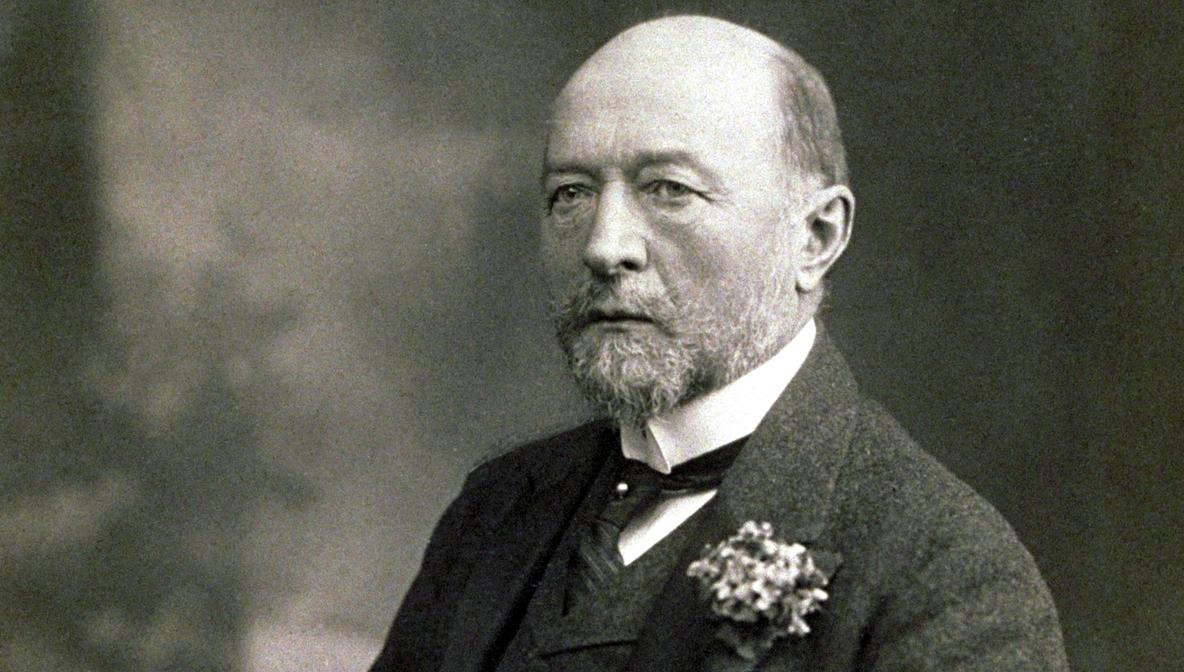
Emil von Behring - The first Nobel Prize in Medicine in 1901

Emil von Behring – The first Nobel Prize in Medicine in 1901

Emil von Behring (1854–1917) 1. Early Life & EducationBorn Adolf Emil Behring on 15 March 1854 in Hansdorf, West Prussia (today Ławice, Poland). He was the eldest of 13 children in a financially constrained family—his father was a schoolmaster . Initially on track for priesthood, a family friend redirected him toward medicine. 2. Medical Training & Military CareerIn 1874, Behring entered the Friedrich-Wilhelms- or Kaiser-Wilhelm-Army Medical Institute in Berlin—tuition-free but requiring military service upon graduation. He earned his medical degree in 1878 and passed state exams in 1880  He served…
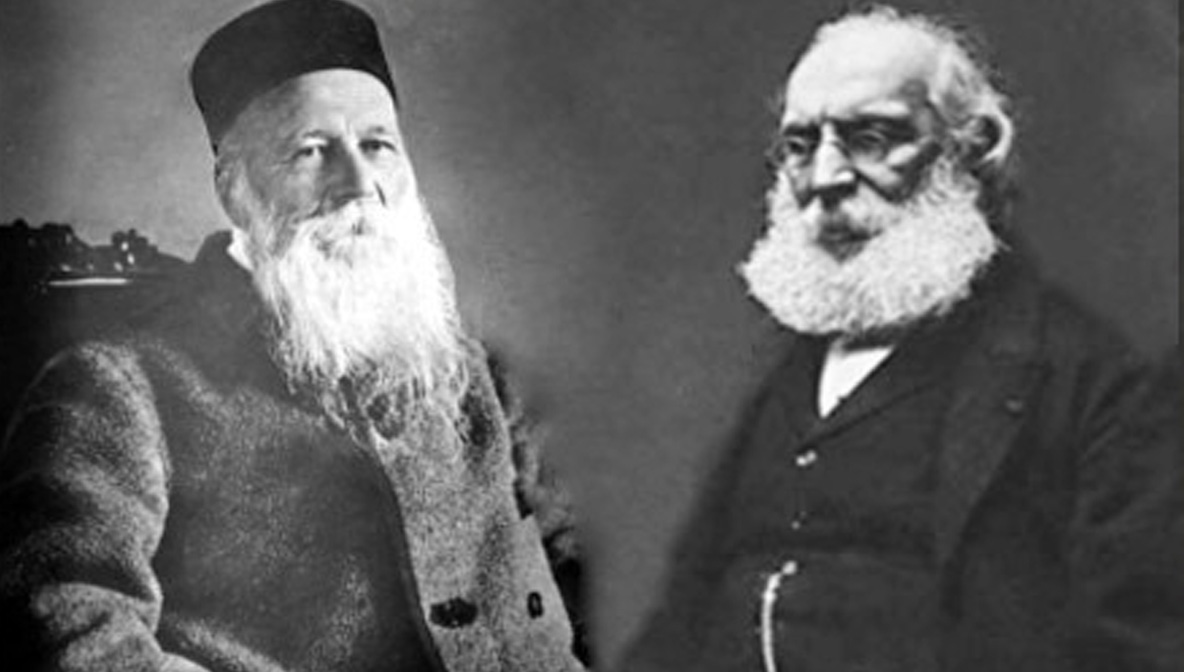
Henry Dunant and Frédéric Passy - The first Nobel Prize in Peace in 1901

Henry Dunant and Frédéric Passy – The first Nobel Prize in Peace in 1901

🕊️ Introduction In 1901, the Nobel Peace Prize was awarded for the first time — and it went to two men who transformed the ideals of humanitarianism and pacifism into global movements: Henry Dunant of Switzerland, founder of the Red Cross, and Frédéric Passy of France, a passionate peace advocate and economist. Their lives, while distinct in focus, converged in purpose: to reduce human suffering and promote lasting peace. 🇨🇭 Henry Dunant (1828–1910) – Founder of the Red Cross ✦ Early Life Born on May 8, 1828, in Geneva, Switzerland.…
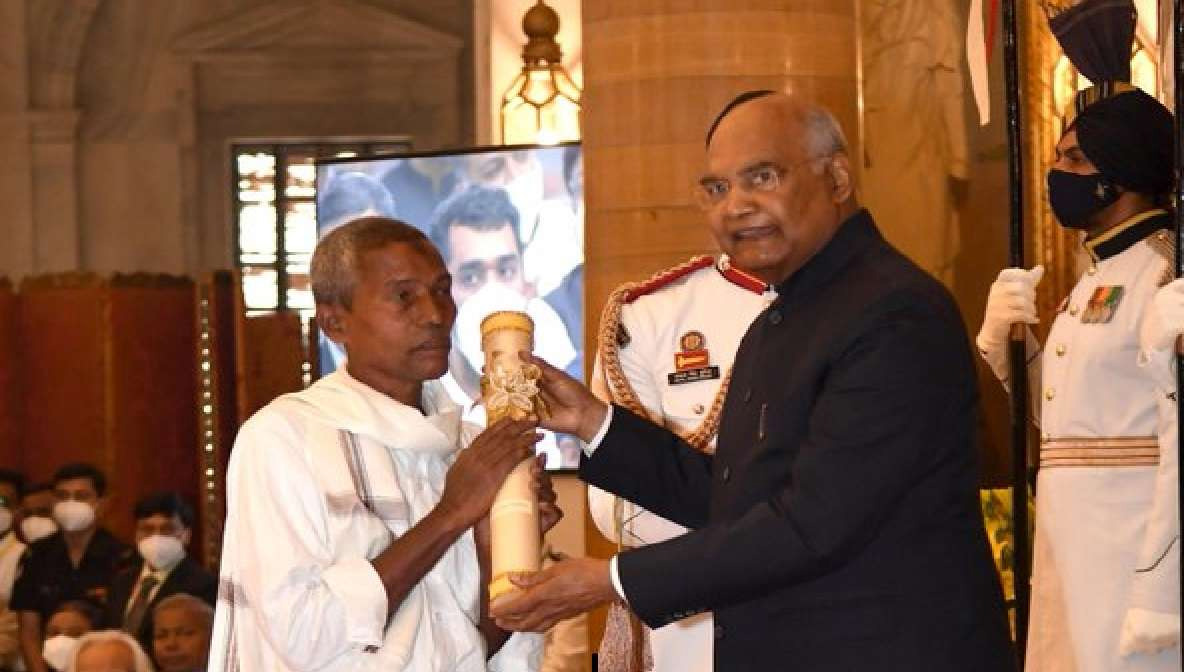
Harekala Hajabba : The Illiterate Man Who Educated a Village

Harekala Hajabba : The Illiterate Man Who Educated a Village

Introduction Harekala Hajabba (b. 1950) is an illiterate fruit vendor from Karnataka who became a national hero by single-handedly funding and building a school for underprivileged children in his village. His extraordinary determination to promote education—despite his own poverty—earned him India’s Padma Shri (2020) and inspired millions. Early Life & Inspiration Born in Harekala (Mangaluru district), Hajabba grew up in extreme poverty and never attended school. As an adult, he sold oranges at a local bus stop to make ends meet. The Turning Point One day, a foreign tourist asked…
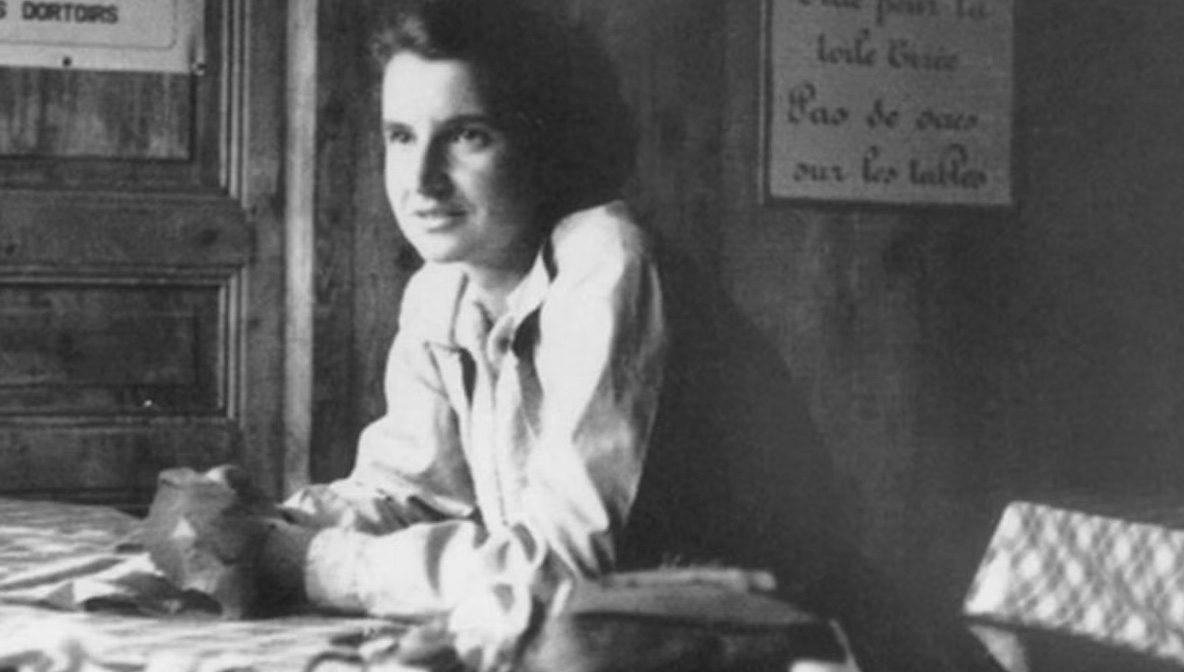
Rosalind Franklin: The Unsung Heroine of DNA's Discovery

Rosalind Franklin: The Unsung Heroine of DNA’s Discovery

Introduction Rosalind Franklin (1920-1958) was a brilliant British chemist and X-ray crystallographer whose groundbreaking work was instrumental in uncovering the structure of DNA. Despite her crucial contributions, her role was largely overshadowed during her lifetime, with James Watson and Francis Crick receiving most of the credit (and the Nobel Prize) for the double helix model. Today, Franklin is rightfully recognized as a pioneering scientist who changed biology forever. Early Life & Education Born on July 25, 1920, in London, Franklin displayed an early aptitude for science. She: Studied natural sciences…
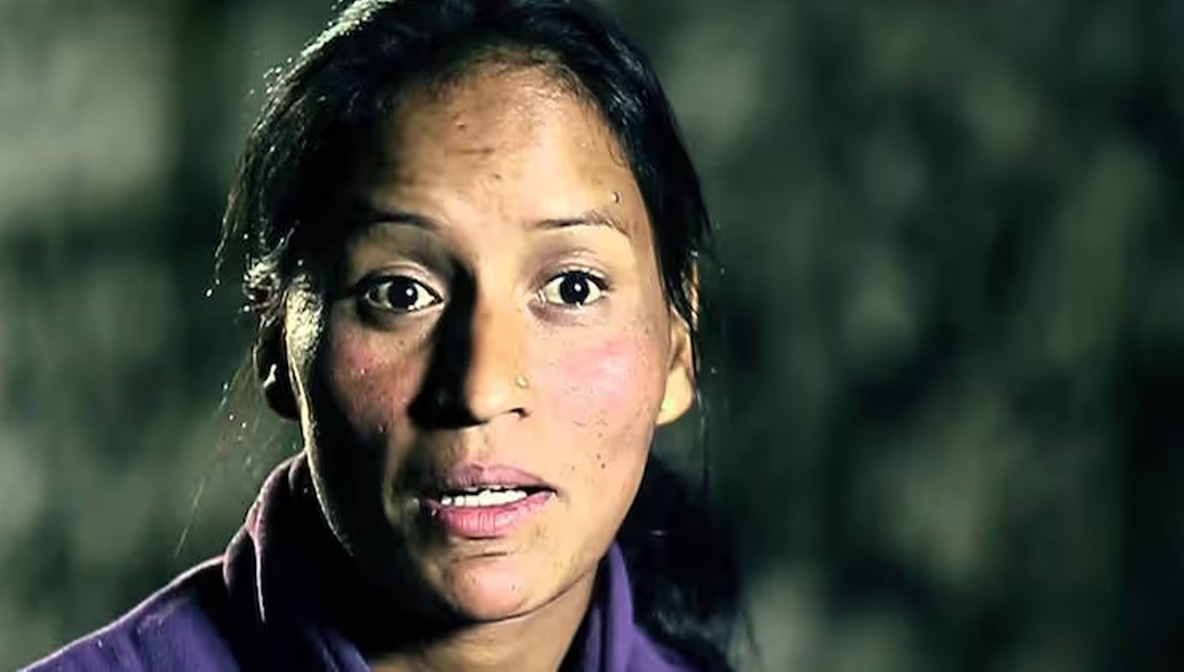
Mamta Rawat: The One-Woman Army Crushing India’s Trafficking Mafia

Mamta Rawat: The One-Woman Army Crushing India’s Trafficking Mafia

Introduction Mamta Rawat is an Indian social activist and anti-human trafficking crusader who has dedicated her life to rescuing victims, rehabilitating survivors, and fighting organized crime in Uttarakhand. As the founder of "Mamta Foundation," she has led daring rescue operations, exposed trafficking networks, and empowered survivors—often risking her own safety to protect the vulnerable. Early Life & Turning Point Born in Rudraprayag, Uttarakhand, Mamta grew up witnessing the exploitation of young girls from impoverished Himalayan villages. After completing her education, she worked with local NGOs and police, where she encountered…
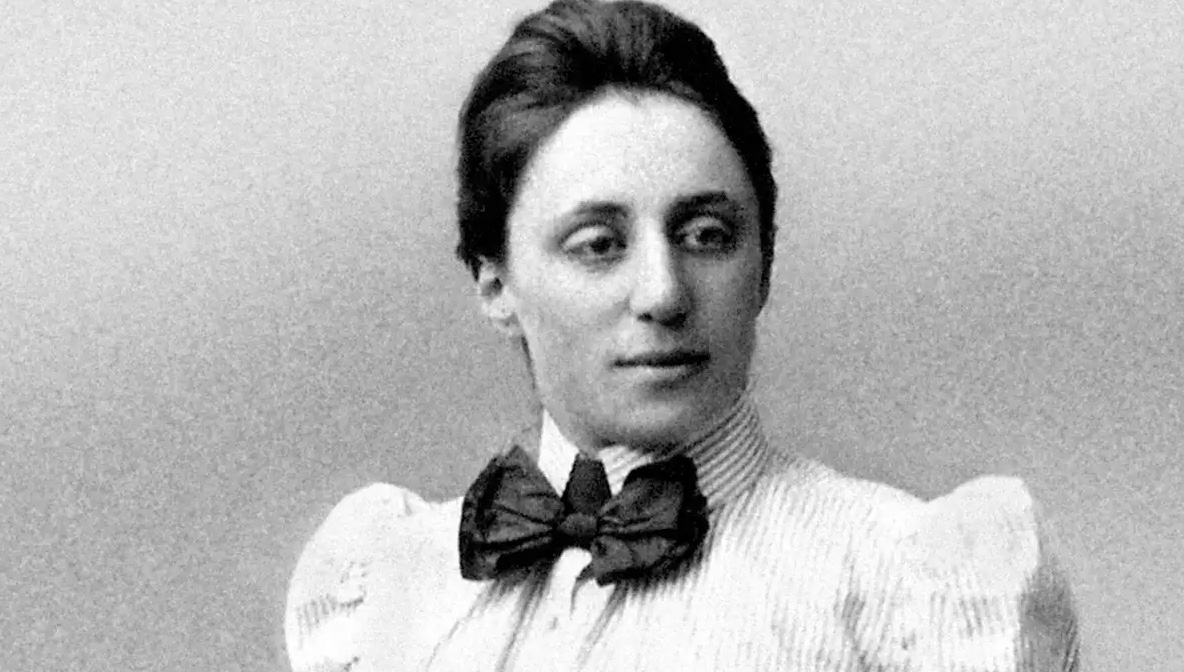
Emmy Noether: The Mother of Modern Algebra and Theoretical Physics

Emmy Noether: The Mother of Modern Algebra and Theoretical Physics

Introduction Amalie Emmy Noether (1882–1935) was a groundbreaking German mathematician whose revolutionary work in abstract algebra and theoretical physics transformed 20th-century mathematics. Despite facing severe gender discrimination, she developed Noether’s Theorem, a foundational principle linking symmetry and conservation laws in physics, and became one of the most influential algebraists of her time. Albert Einstein called her a "creative mathematical genius"—yet she struggled for recognition in a male-dominated academic world. Early Life and Education Born on March 23, 1882, in Erlangen, Germany, Noether grew up in a family of mathematicians (her…