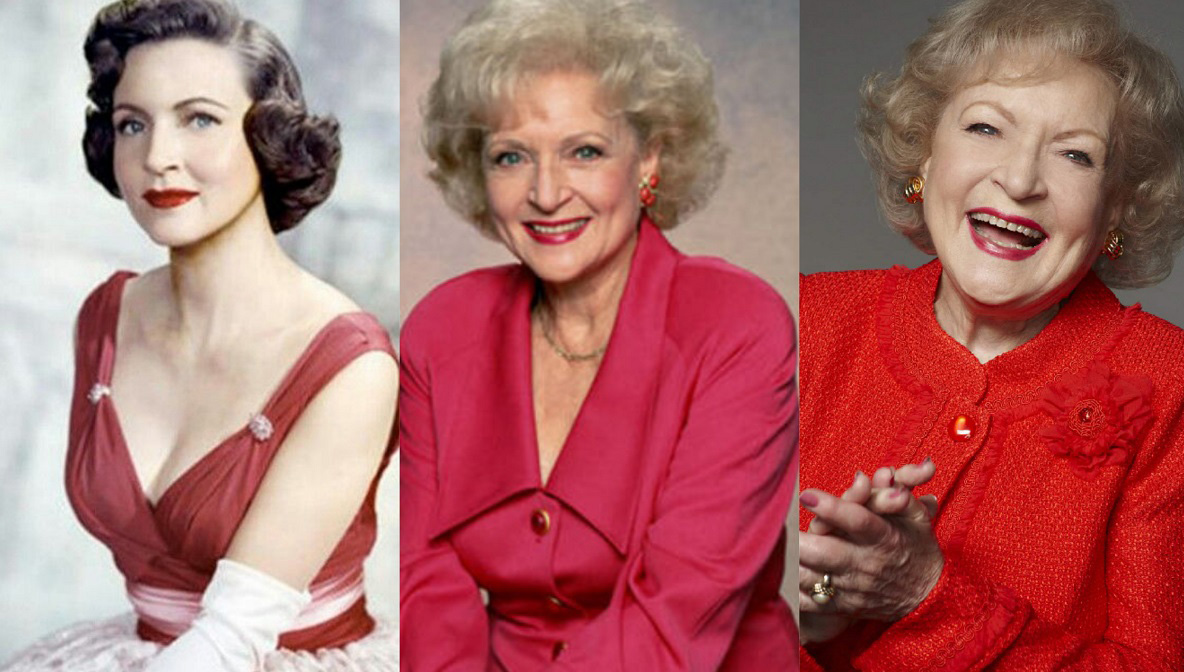

In a world that often celebrates the new, the shiny, and the fleeting, Betty White was a glorious, sparkling constant. For nearly a century, she was a fixture in American living rooms, a beloved presence who evolved from a pioneering woman in early television to a social media sensation and cultural treasure. But to remember Betty White only for her longevity is to miss the point entirely. Her 99-year journey was a masterclass in resilience, a testament to kindness, and a radical act of joy in a industry known for chewing people up and spitting them out.
She wasn’t just the sweet, naive Rose Nylund from The Golden Girls. She was a sharp-witted, fiercely intelligent, and surprisingly subversive force who broke barriers for women in television before most people even owned a set. She faced down sexism, navigated the collapse of the studio system, and reinvented herself repeatedly, all while maintaining an unshakable core of decency and a famously dirty sense of humor. This is the story of a woman who understood that the secret to a long and happy life wasn’t about avoiding hardship, but about facing it with a joke on your lips, love in your heart, and an unwavering belief in the goodness of others. Betty White didn’t just live a long life; she designed a beautiful one, and she invited us all to share in it.
Early Life & Background: A Chicago Girl Falls in Love with the Woods
Betty Marion White was born on January 17, 1922, in Oak Park, Illinois, an only child to Horace, a lighting company executive, and Tess, a homemaker. Her idyllic early childhood was defined by a deep and abiding love for animals, a passion ignited by family vacations in the Sierra Nevada mountains. Her parents couldn’t afford expensive lodges, so they camped, and it was in the wilderness that Betty found her first true calling. She dreamed of becoming a forest ranger, a career path closed to women at the time. This early love for creatures great and small would become the moral compass of her life, shaping her future as a devoted animal welfare advocate.
When the Great Depression hit, her father began building radios as a hobby, selling them to make ends meet. This introduced the magic of broadcast entertainment into their home. Betty would lie on the floor with her ear pressed against the speaker, captivated by the voices and stories emanating from the wooden box. She was mesmerized by singers like Bing Crosby and began to dream of a life in front of a microphone.
When she was in her early teens, the family packed up and moved to Los Angeles. It was a fortuitous move, placing her at the epicenter of the burgeoning entertainment industry. She attended Beverly Hills High School, where she wrote and starred in her first play, The Christmas Spirit. She knew then that performing was her destiny. After graduation, her ambitions were put on hold by World War II. She served her country by joining the American Women’s Voluntary Services, driving supply trucks and participating in events for the troops. It was a taste of a wider world and a lesson in service that would stay with her forever. The war ended, and with a fierce determination, the young woman from the woods set her sights on the brand-new, wild west frontier of television.
Career & Achievements: A Pioneer in a Live Studio
Betty White’s career is a history of American television itself. She was there at the very beginning, and she never left.
The Dawn of TV (1949-1973)
In 1949, just a few years after the war, she made her television debut co-hosting a local, experimental variety show called Hollywood on Television. It was chaotic, unscripted, and broadcast live for five and a half hours a day. This trial-by-fire taught her everything: how to think on her feet, how to connect with a camera as if it were a person, and how to handle any technical disaster with a smile and a quip. In 1952, she and her co-hosts formed Bandy Productions, making her one of the only women in television with total creative control behind the camera. She was the star, producer, and co-writer of her own sitcom, Life with Elizabeth, which won her her first Emmy and established her as a pioneering force.
Throughout the 1950s and 60s, she became a ubiquitous presence on daytime TV, serving as a host and commentator on the Tournament of Roses Parade and the Macy’s Thanksgiving Day Parade for decades. She was also a regular panelist on game shows like Password, where she met her future husband, host Allen Ludden. But as the television landscape shifted, her star began to wane. By the early 1970s, she was, in her own words, “professionally dormant.” Many in her position would have faded into retirement. Betty White was just getting warmed up.
The MTM Years and a Comic Reinvention (1973-1985)
Her big comeback was as unexpected as it was brilliant. In 1973, she was cast as the “happy homemaker” Sue Ann Nivens on The Mary Tyler Moore Show. Sue Ann was the polar opposite of Betty’s sweet public image. She was a man-hungry, viciously sweet, and hilariously cynical host of a “Happy Homemaker” segment. White stole every scene she was in, delivering cutting one-liners with a blindingly sunny smile. The role earned her two Emmy Awards and proved she was a formidable comedic actress, not just a pleasant TV host. She had shattered her own type-casting.
She followed this with another successful sitcom, The Betty White Show, and continued to be a beloved guest star on countless variety and talk shows. Her quick wit and playful, flirtatious banter with hosts like Johnny Carson made her a late-night favorite. She was building a new identity: America’s Feisty Grandma.
The Golden Era (1985-2021)
In 1985, television history was made. The Golden Girls premiered, featuring four women “of a certain age” living together in Miami. As Rose Nylund, the kind-hearted, somewhat dim-witted storyteller from the fictional Norwegian town of St. Olaf, Betty White created one of the most iconic characters in sitcom history. Rose’s innocence and bizarre tales were the perfect foil for the other, more cynical characters. The show was a massive critical and commercial success, tackling serious issues with humor and heart, and ran for seven seasons. It earned Betty her third and fourth Emmy Awards and cemented her place in the hearts of a new generation.
After the show ended, she never slowed down. She appeared in the spin-off The Golden Palace, had a memorable role on The John Larroquette Show, and became a frequent guest star on The Simpsons and The Practice. But her most remarkable renaissance was yet to come.
The National Treasure (2010-2021)
In 2010, everything changed. A viral Facebook campaign, “Betty White to Host SNL… Please?”, convinced the show’s producers to invite the 88-year-old to host Saturday Night Live. Her episode was a triumph, earning her a fifth Emmy Award and introducing her razor-sharp comedy to millions of young viewers who only knew her as “that nice lady from TV.” Suddenly, she was cooler than ever.
She starred in the hit TV Land sitcom Hot in Cleveland for six seasons, published a new bestselling book, and became the subject of countless memes celebrating her longevity and her cheeky humor. At an age when most people are deep in retirement, she was a bigger star than ever, a phenomenon fueled by social media and a universal appreciation for her talent and spirit. She worked steadily up until her death, a career spanning an unprecedented eight decades.
Personal Life: Love, Loss, and a Pack of Animals
Betty White’s personal life was marked by profound love and profound loss, all of which she met with her characteristic grace. She was married three times. Her first two marriages, to Dick Barker and Lane Allen, were brief and, by her own admission, not right. She referred to them as “practice marriages.”
The great love of her life was game show host Allen Ludden. They met on the set of Password in 1961. He proposed to her multiple times before she finally said yes, fearing that her career would suffer if she were perceived as a “housewife.” They married in 1963 and were inseparable until his death from stomach cancer in 1981. She never remarried, often saying that once you’ve had the best, who needs the rest? His death left a hole in her life that she filled with her work and her menagerie of animals.
She had no children of her own, but she considered the entire animal kingdom her family. Her home was a sanctuary for dogs, and she was a passionate and knowledgeable advocate for animal health and welfare. She worked closely with the Los Angeles Zoo for over five decades, serving as a trustee and donating enormous sums of money. Her love for animals was not a celebrity side project; it was a core part of her identity, as central to her as her career.
She was known by everyone in Hollywood as one of the kindest, most genuine people in the business. She was a loyal friend, a consummate professional, and maintained a positive outlook that seemed almost supernatural. She credited her happiness to a simple philosophy: “Accentuate the positive, not the negative. It sounds too simple, but it works.”
Legacy & Impact: More Than a Funny Lady
Betty White’s impact is immeasurable and extends far beyond her filmography.
-
A Television Pioneer: She was a foundational figure in the medium. As a female producer and star in the 1950s, she broke ground for every woman who came after her. She proved that women could be both in front of and behind the camera, wielding creative and business power in a male-dominated industry.
-
Redefining Aging: She completely dismantled society’s stereotypes about older women. She was not relegated to the background; she was the star. She was vibrant, sexual, funny, and vital well into her 90s. She showed generations that life doesn’t end at a certain age; it can be a new, exciting, and incredibly productive chapter.
-
The Power of Kindness: In an era of cynicism and division, Betty White was a beacon of pure, unfiltered niceness. Her legacy is a testament to the radical idea that you can be successful, funny, and powerful without being cruel, cutthroat, or mean-spirited. Her kindness was her strength.
-
A Lifelong Advocate: Her work for animal welfare has had a tangible, lasting impact, raising millions of dollars and awareness for the cause she loved most. She used her platform for unwavering, passionate advocacy.
-
The Bridge Between Generations: Her career connected her to her peers, her humor connected her to her fans’ parents, and her viral renaissance connected her to their children. She was a rare unifying figure, a thread of joy and consistency running through the fabric of American pop culture for almost a century.
Final Thoughts, and What We Learn
Betty White’s life was not a fairy tale; it was a blueprint. It was a guide on how to live with purpose, passion, and an unshakeable sense of self.
What We Learn from Her Life:
-
Kindness is a Superpower: In a world that often rewards aggression, Betty White proved that genuine kindness, empathy, and generosity are not weaknesses. They are the foundations of a lasting legacy and a happy life. She taught us that you can be sweet without being a pushover.
-
Your Passion is Your Purpose: Her lifelong, all-consuming love for animals wasn’t a hobby; it was a central pillar of her existence. She shows us that finding what you love and dedicating yourself to it is one of the secrets to a fulfilled life.
-
Laughter is the Best Medicine (and Career Strategy): Her sense of humor, especially her ability to laugh at herself, was her greatest asset. It carried her through personal tragedy, professional dry spells, and the general absurdities of life. She reminds us not to take ourselves too seriously.
-
Resilience is Everything: She was fired, she was widowed, she was told she was too old. And yet, she always found a way to bounce back, often bigger and better than before. Her career is a masterclass in adapting, evolving, and never, ever giving up.
-
It’s Never Too Late for a Second Act (or a Third, or a Fourth): Her career had more comebacks and reinventions than almost any other. She teaches us that it’s never too late to try something new, to learn, to grow, and to surprise everyone, especially yourself.
Betty White left us just weeks before her 100th birthday, but she packed ten lifetimes of joy, achievement, and love into her 99 years. She was more than a Golden Girl; she was a golden soul who showed us all how to live, love, and laugh with our whole hearts. Her final birthday, celebrated posthumously by millions, was not a somber affair, but a global party, a fitting tribute to a woman who taught us that the ultimate goal is not just to live a long life, but a joyful one. And in that, she was the undisputed champion.