
Introduction
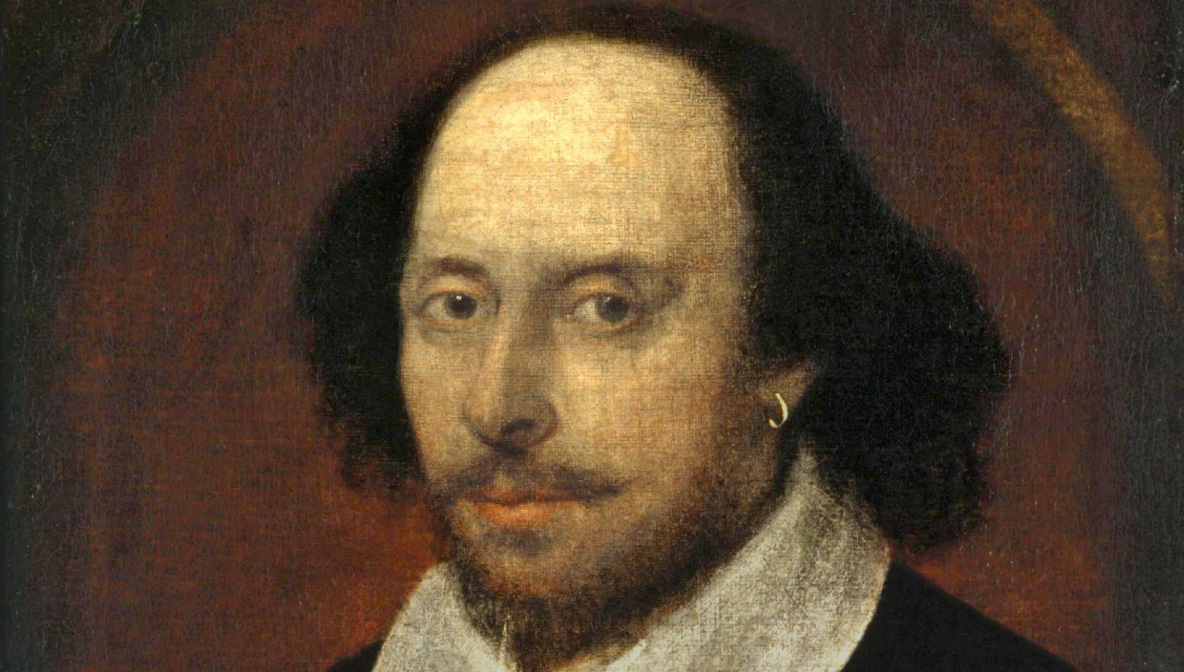
Four centuries after his death, William Shakespeare remains the most famous writer in history. His plays and poems have been translated into every major language, performed more than any other playwright’s works, and continue to shape modern storytelling. But who was the man behind Hamlet, Romeo and Juliet, and Macbeth? This biography uncovers Shakespeare’s journey from a small-town boy to the greatest wordsmith of all time.
Early Life & Background
Born in Stratford-upon-Avon, England, in April 1564 (exact date unknown), William Shakespeare was the son of John Shakespeare, a glove-maker and local politician, and Mary Arden, from a wealthy farming family. Though records are scarce, historians believe he attended the King’s New School, where he studied Latin and classical literature.
At 18, he married Anne Hathaway (8 years his senior), and they had three children: Susanna, and twins Hamnet and Judith. Tragically, Hamnet died at just 11—a loss that may have influenced Shakespeare’s later works, like King John.
By the late 1580s, Shakespeare vanished from records—leading to theories he worked as a schoolteacher, soldier, or even a butcher before reappearing in London as an actor and playwright.
Career & Achievements
1. The Globe Theatre & Acting Career
Shakespeare joined the Lord Chamberlain’s Men, a leading acting troupe, and later became a part-owner of the Globe Theatre. His plays drew huge crowds—from peasants paying a penny to stand in the “pit” to nobles in the galleries.
2. Masterpieces That Defined Literature
Shakespeare wrote 37 plays and 154 sonnets, inventing words like “eyeball,” “assassination,” and “lonely.” His works fall into three categories:
-
Tragedies – Hamlet, Macbeth, Othello, King Lear
-
Comedies – A Midsummer Night’s Dream, Much Ado About Nothing
-
Histories – Henry V, Richard III
His ability to capture love, power, betrayal, and human nature made his stories timeless.
3. The Sonnets & Poetry
Shakespeare’s sonnets explored love, beauty, and mortality, with many dedicated to a mysterious “Fair Youth” and “Dark Lady.” Their true identities remain one of literature’s biggest mysteries.
Personal Life
Despite his fame, Shakespeare was a private man. He spent most of his career in London while his family stayed in Stratford. He retired around 1613, possibly due to illness, and died on April 23, 1616 (legend says on his birthday).
His will famously left his “second-best bed” to Anne Hathaway—a detail that has sparked debates for centuries. Was it an insult, or his most personal gift?
Legacy & Impact
Shakespeare’s influence is everywhere:
✔ Language – He coined over 1,700 words still used today.
✔ Theatre – Modern acting, staging, and storytelling owe much to his techniques.
✔ Pop Culture – From The Lion King (based on Hamlet) to 10 Things I Hate About You (The Taming of the Shrew), his stories keep being reinvented.
His works are studied in schools worldwide, and his Globe Theatre has been rebuilt in London, keeping his spirit alive.
Final Thoughts & What We Learn
Shakespeare’s life teaches us:
✔ Genius Can Come From Anywhere – A small-town boy became history’s greatest writer.
✔ Human Emotions Are Timeless – Jealousy (Othello), ambition (Macbeth), love (Romeo and Juliet)—his themes still resonate.
✔ Art Outlives the Artist – Four hundred years later, we still quote him daily without realizing it (“All that glitters is not gold,” “Wild goose chase”).
As Ben Jonson, his rival-turned-admirer, said: “He was not of an age, but for all time.”
Why Shakespeare Still Matters
In a world of tweets and AI, Shakespeare’s deep understanding of human nature keeps him relevant. Whether you’re a student, actor, or just a lover of stories, his work speaks to everyone.
Final Word: William Shakespeare wasn’t just a writer—he was a visionary who captured the soul of humanity in words.