
🖋️ Introduction
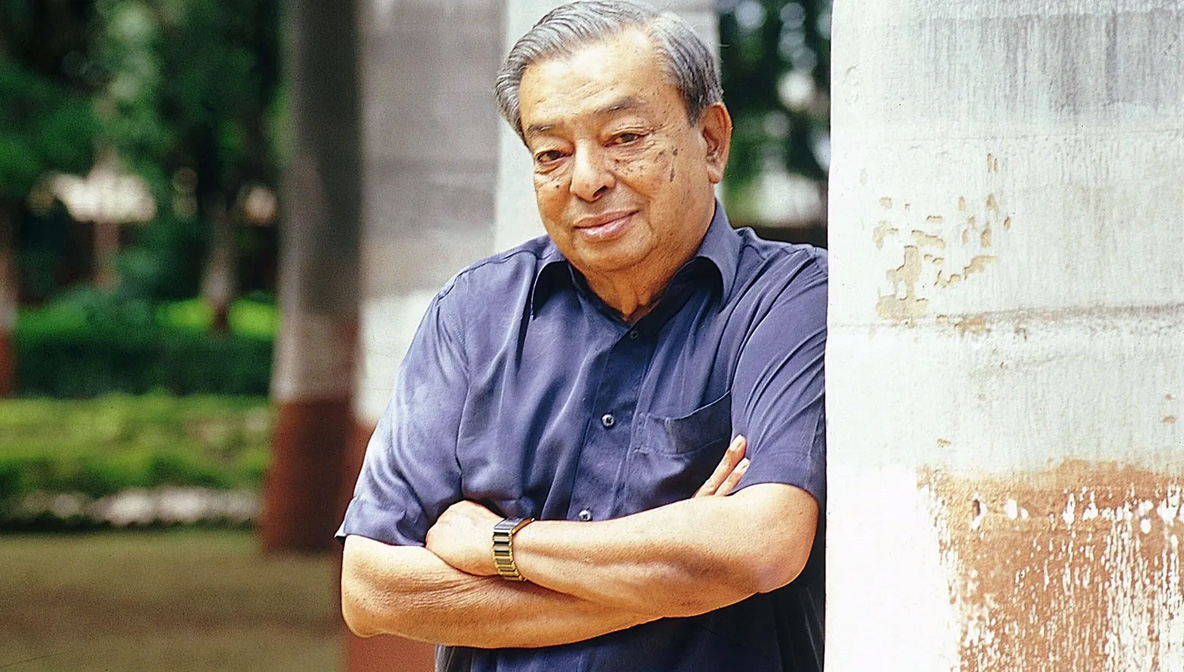
Verghese Kurien (1921–2012) was an Indian social entrepreneur, engineer, and the architect of India’s White Revolution—the world’s largest dairy development program. Known as the “Father of the White Revolution,” Kurien transformed India from a milk-deficient country into the world’s largest milk producer, empowering millions of rural farmers, especially women, along the way.
His story is one of vision, innovation, and grassroots empowerment—a revolution that wasn’t fought with weapons but with milk
📅 Early Life and Education
-
Born: November 26, 1921, Calicut (now Kozhikode), Kerala
-
Family Background: Syrian Christian family with a strong focus on education
-
Education:
-
B.Sc. in Physics from Loyola College, Chennai
-
B.E. in Mechanical Engineering from the College of Engineering, Guindy
-
Master’s in Mechanical Engineering from Michigan State University, USA (on a Government of India scholarship)
-
Initially trained as an engineer, Kurien had no intention of entering the dairy industry. But fate led him to Anand, Gujarat, where his destiny—and India’s dairy economy—would change forever.
🐄 The Beginning of a Dairy Revolution
In 1949, Kurien was assigned to Anand, a small town in Gujarat, where he encountered Tribhuvandas Patel, the leader of a farmers’ cooperative struggling to supply milk against the monopoly of corporate dairies.
Kurien’s Game-Changing Decision:
Rather than return to a comfortable job elsewhere, Kurien chose to stay in Anand and help the cooperative. Together, they built a model that:
-
Eliminated middlemen
-
Paid fair prices to farmers
-
Promoted self-reliance through Amul, India’s most iconic dairy brand
🏢 Founding of Amul and NDDB
🥛 AMUL – Anand Milk Union Limited
-
Founded: 1946
-
Kurien turned Amul into a symbol of rural empowerment and brand excellence
-
Developed India’s first milk powder from buffalo milk, revolutionizing dairy tech
🧱 National Dairy Development Board (NDDB)
-
Founded: 1965, with Kurien as its first chairman
-
Replicated the Anand Model across India
-
Led to Operation Flood, the world’s largest agricultural movement
📈 Operation Flood: The White Revolution
Launched in 1970, Operation Flood turned India into the world’s largest milk producer by:
-
Creating a nationwide milk grid
-
Connecting 10 million farmers across 70,000 villages
-
Making milk affordable in cities and profitable in villages
Impact:
-
Doubled milk production
-
Reduced reliance on imports
-
Created dairy-based livelihoods for rural India, especially women
🏆 Awards and Recognition
| Year | Award |
|---|---|
| 1965 | Padma Shri |
| 1966 | Ramon Magsaysay Award for Community Leadership |
| 1966 | Padma Bhushan |
| 1999 | Padma Vibhushan |
| 2000 | World Food Prize |
| Ongoing | Recognized globally as a pioneer of social entrepreneurship and cooperative models |
🧠 What We Learn from Verghese Kurien
1. Innovation Can Be Rural
Kurien proved that world-changing innovation doesn’t require Silicon Valley—it can rise from Indian villages.
2. Empowerment Through Ownership
His cooperative model gave farmers not just income, but control over their destiny.
3. Nation-Building through Business
He created an economic movement that was both profitable and deeply patriotic.
4. Stay Where It Matters
Kurien stayed in Anand when no one else would. Change begins where we choose not to leave.
🕊️ Death and Legacy
-
Died: September 9, 2012, in Nadiad, Gujarat
-
His legacy lives on through:
-
AMUL, a multi-billion-dollar dairy brand
-
The Anand Pattern, taught in business schools worldwide
-
Millions of self-reliant rural families across India
-
Kurien didn’t just build a milk industry—he built a movement of dignity, equality, and national pride.
🙏 Conclusion
Verghese Kurien was an engineer by training, a reformer by action, and a nation-builder at heart. He turned milk into a tool of transformation, empowering rural India and proving that business with purpose can change the world.
“India’s place in the sun would come from the partnership between the wisdom of its rural people and the skill of its professionals.” — Dr. Verghese Kurien