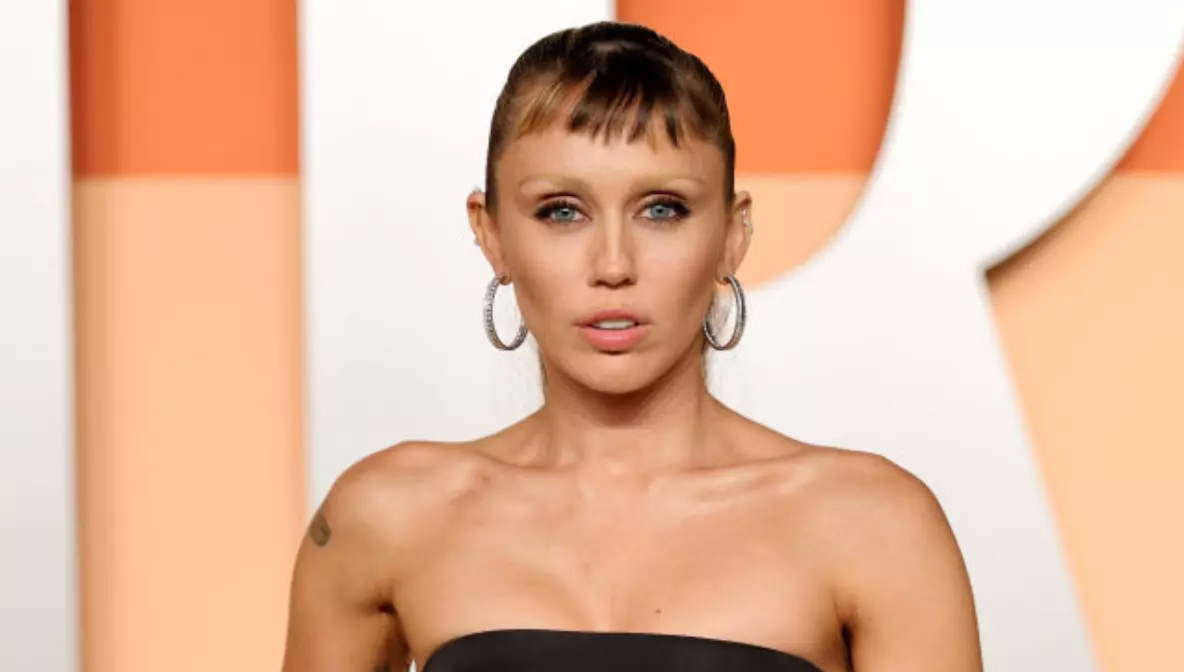

Few artists in modern pop culture have lived their entire adolescence and adulthood under the microscope quite like Miley Cyrus. Her name alone conjures a kaleidoscope of conflicting images: the sweet, denim-clad Disney star; the twerking, tongue-wagging provocateur; the rock-and-roll leather-clad rocker; the gentle, flower-crowned hippie. To some, she is a symbol of rebellion and liberation. To others, she is a cautionary tale of a child star gone off the rails. But to reduce her journey to these simplistic narratives is to miss the profound, deliberate, and deeply human story of a woman fighting to own her identity in a world that tried to define it for her from birth.
Miley Cyrus isn’t just a singer or an actress; she is a case study in public metamorphosis. Her life is a real-time documentary on the price of fame, the struggle for artistic authenticity, and the messy, public process of growing up. From the manufactured innocence of Hannah Montana to the raw, rock-and-roll soul of her Plastic Hearts era and the psychedelic self-acceptance of Endless Summer Vacation, her career is a map of her personal evolution. This is the biography of a girl who was born into a spotlight she didn’t choose, and the woman who learned, through very public trial and error, how to harness its power and finally shine her own light.
Early Life & Background: Born into the Spotlight
Destiny Hope Cyrus was born on November 23, 1992, in Franklin, Tennessee. The daughter of country music star Billy Ray Cyrus and his then-wife, Leticia “Tish” Cyrus, she was, in many ways, born into the business. Her nickname, “Miley,” came from her childhood habit of smiling so much she was deemed “smiley.” From a young age, she was immersed in the world of performance, often joining her father on tour.
Her family life was both her foundation and a source of future complexity. Growing up on a farm outside of Nashville, she was surrounded by a large, blended family, which included her famous father, her manager mother, and her siblings, half-siblings, and eventually, an adopted sister. This environment fostered a fierce sense of loyalty but also placed her at the center of a very public family dynamic, including her parents’ tumultuous relationship and eventual divorce.
Even as a child, Miley exhibited a powerful, preternatural talent and drive. She began acting in small roles, but her life changed irrevocably at the age of 12. She auditioned for a Disney Channel show originally titled Hannah Montana, a series about a normal girl, Miley Stewart, who lived a double life as a famous pop star, Hannah Montana. She was initially rejected for being too small and too young. Undeterred, she auditioned again, singing a soulful version of “The Climb” that showcased a voice far beyond her years. She got the part. The show premiered in 2006 and became a global, multi-billion dollar phenomenon. Overnight, Miley Cyrus became a household name, and the line between Miley Stewart and Miley Cyrus began to blur, setting the stage for an identity crisis that would play out on the world stage.
Career & Achievements: A Deliberate Deconstruction
Miley Cyrus’s career is a masterclass in deliberate, if jarring, reinvention. Each phase has been a direct reaction to the last, a public shedding of skin.
The Hannah Montana Era (2006-2011): The Creation of a Product
For five years, Miley Cyrus was Hannah Montana. The show was a ratings juggernaut, and the accompanying concert tours and merchandise created a Disney empire. She released music as both Hannah and herself, with her debut album, Meet Miley Cyrus, selling over 326,000 copies in its first week. Hits like “See You Again” and “7 Things” established her as a legitimate pop star in her own right. However, this period was defined by a tightly controlled, corporate-mandated image of bubbly, G-rated innocence. The pressure of maintaining this facade while navigating a normal teenage life was immense, creating a deep internal conflict between the star and the girl.
The “Can’t Be Tamed” Pivot (2010-2012): The First Rebellion
As she entered her late teens, the first cracks in the Disney image appeared. Her 2010 album, Can’t Be Tamed, and its provocative, leather-clad music video, were a clear declaration of independence. It was her first attempt to break free from the Hannah Montana mold, but it was a transition that felt awkward and somewhat manufactured. The public wasn’t quite ready, and the era was seen as a commercial misstep. It was a necessary, if clumsy, first step in asserting her autonomy.
The Bangerz Era (2013-2014): The Nuclear Option
If Can’t Be Tamed was a crack in the facade, the Bangerz era was a full-scale demolition. This was Miley’s most radical and controversial reinvention. She chopped off her long hair, adopted a street-style aesthetic, and released the twerk-heavy, hyper-sexualized anthem “We Can’t Stop.” This was followed by her infamous performance with Robin Thicke at the 2013 MTV Video Music Awards, which featured twerking, a foam finger, and became a global media firestorm.
To the outside world, it looked like a meltdown. In reality, it was a calculated, brilliant, and liberating act of career sabotage. She was systematically destroying the “Hannah Montana” brand to create space for the artist she wanted to be. She later explained that the hypersexualization was a way to take control of her own narrative, to ensure that no one could ever market her as an innocent child star again. The album Bangerz was a critical and commercial smash, proving that her strategy, however shocking, had worked.
The Miley Cyrus & Her Dead Petz and Younger Now Era (2015-2017): The Backlash to the Backlash
After the intensity of Bangerz, she pivoted again. She surprised the world by releasing a free, experimental psychedelic album, Miley Cyrus & Her Dead Petz, in collaboration with The Flaming Lips. It was a bizarre, personal, and non-commercial project that confused many but demonstrated her artistic fearlessness. This was followed by a country-pop pivot with Younger Now, where she seemed to be making amends with her past and her family roots. This phase showed her desire to explore her artistry without the pressure of commercial expectations.
The Plastic Hearts Rock Era (2020-Present): Finding Her True Voice
The 2020s brought what many consider her most authentic artistic incarnation yet. With the album Plastic Hearts, Miley fully embraced her rock-and-roll roots. Covering classics by Blondie and The Cranberries and collaborating with icons like Stevie Nicks and Billy Idol, she tapped into the raw, raspy power of her voice that had always been there. This wasn’t a rebellion; it was a homecoming. It was the sound of an artist finally aligning her music with her true identity. This was solidified with her powerful, rock-infused performance of “Heart of Glass” at the 2022 Super Bowl and her chart-topping, introspective hit “Flowers” in 2023, which showcased a new era of confident, self-sufficient maturity.
Personal Life: The Private Struggles Behind the Public Persona
Miley’s personal life has been a source of constant public fascination and a crucible for her growth.
Her most significant relationship was with actor Liam Hemsworth, whom she met on the set of The Last Song in 2009. Their on-again, off-again relationship spanned a decade, a whirlwind of engagements, breakups, and a short-lived marriage in 2018 that ended after less than a year. The relationship, and its very public dissolution, became a central narrative in her life, with her hit song “Flowers” widely interpreted as a declaration of independence from that chapter.
She has been open about her fluid sexuality, identifying as pansexual and having relationships with people of various genders, including model Kaitlynn Carter and singer Cody Simpson. This openness has made her an important LGBTQ+ icon.
Beneath the glamour, she has faced significant personal demons. She has spoken candidly about her struggles with anxiety and depression. The loss of her home in the 2018 Malibu wildfires was a devastating event that destroyed not just a house, but a sanctuary, along with irreplaceable mementos from her career. Perhaps most profoundly, she has been open about her sobriety journey, giving up alcohol and marijuana to achieve better mental clarity. This decision marked a significant turning point, signaling a move away from the chaotic party image of her past toward a more centered and peaceful existence.
Her relationship with her family, particularly her father, has been complex and widely documented. She has spoken about the pressures of her childhood and has worked to establish adult relationships with her family on her own terms. Through it all, she has maintained a fierce loyalty to her mother, Tish, and her siblings.
Legacy & Impact: The Freedom to Change
Miley Cyrus’s impact on popular culture is immense and multifaceted.
-
The Blueprint for the Post-Disney Star: She wrote the modern playbook on how to escape the Disney child-star curse. Her deliberate, shocking deconstruction of her own image showed a generation of young stars that they could take control of their narratives, no matter how entrenched their persona seemed.
-
A Conversation About Female Agency: Her Bangerz era, while controversial, sparked a global conversation about female sexuality, double standards, and a woman’s right to own and express her body without shame. She forced people to confront their own biases about how a young woman should behave.
-
Championing Fluidity: In both her art and her personal life, she has been a prominent advocate for fluidity—sexual, gender, and artistic. She rejects labels and boxes, encouraging her fans to embrace their own complexity and contradictions.
-
Philanthropy as a Core Value: Through her Happy Hippie Foundation, founded in 2014, she has been a dedicated advocate for homeless youth, LGBTQ+ young people, and other vulnerable populations. Her activism is not a side project; it is deeply integrated into her identity and her platform.
-
The Power of Vocal Authenticity: In an age of heavy production and auto-tune, Miley’s raw, unadulterated, and powerful voice is a testament to genuine talent. Her live performances, especially her backyard sessions during the COVID-19 pandemic, showcased her incredible vocal chops, reminding the world that beneath the persona is a truly gifted musician.
Final Thoughts, and What We Learn
Miley Cyrus’s life is a powerful, ongoing lesson in the messy, non-linear, and courageous work of becoming oneself.
What We Learn from Her Journey:
-
Rebellion is a Form of Self-Definition: Her most shocking acts were not mindless rebellion; they were calculated strikes for freedom. She teaches us that sometimes, you have to tear down the old structure to build something new and authentic in its place.
-
Your Past Doesn’t Have to Define Your Future: She could have been forever trapped as Hannah Montana. Instead, she proved that we are not permanent prisoners of our past identities. We have the power to evolve, no matter how publicly our previous chapters were written.
-
Authenticity is a Process, Not a Destination: Miley’s journey shows that being “real” isn’t about finding one true self and sticking to it. It’s about having the courage to constantly explore, change, and present your current truth, even if it confuses people.
-
Mental Health is Non-Negotiable: Her openness about her struggles with mental health and her commitment to sobriety destigmatizes these issues for her millions of fans. It shows that prioritizing your well-being is the foundation for a sustainable life and career.
-
Embrace Your Contradictions: She is both a party girl and a dedicated activist; a rocker and a pop star; a vulnerable woman and a fierce business mogul. Her life teaches us that we don’t have to be one thing. We can contain multitudes, and our complexity is our strength.
Miley Cyrus is the ultimate chameleon, not because she hides, but because she has the courage to change her colors in full view of the world. She is a testament to the idea that the most radical act you can commit is to relentlessly, unapologetically, and publicly become who you are. Her legacy is not a single hit song or a shocking performance; it is the permission slip she has given an entire generation to embrace their own messy, beautiful, and ever-evolving selves.