
🧭 Introduction
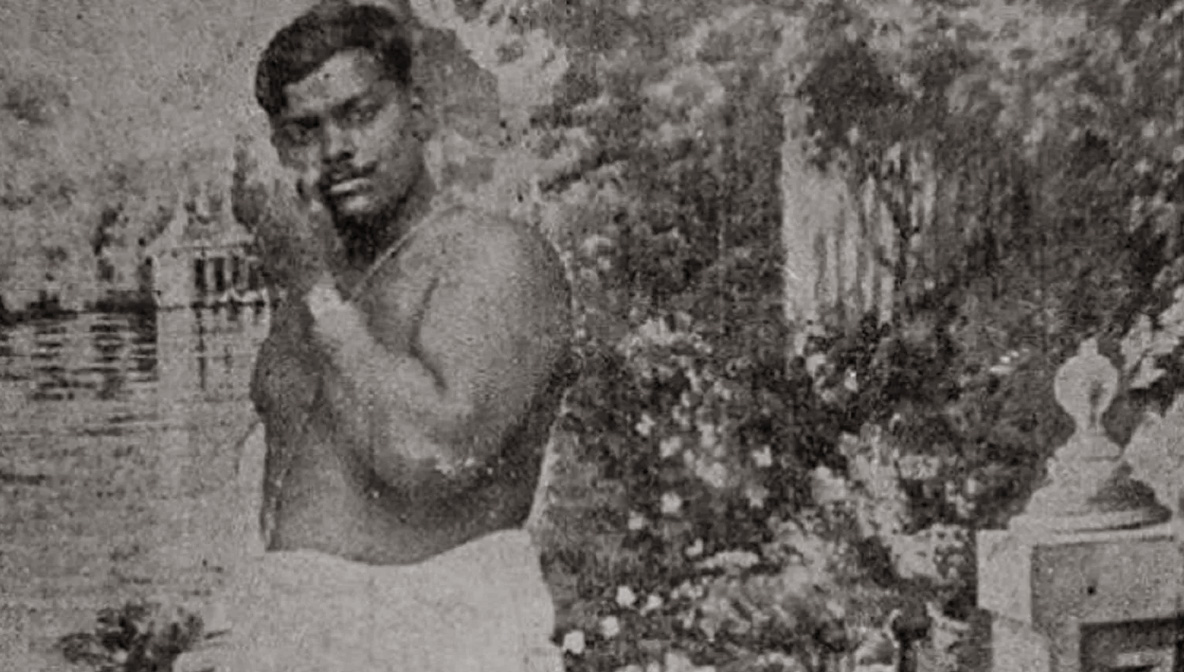
Chandrashekhar Azad was one of the most iconic and fearless freedom fighters in India’s struggle for independence. Known for his fierce patriotism and unshakable resolve, Azad became a symbol of rebellion against British rule. His legendary resistance and revolutionary activities inspired a generation to rise up for their motherland. This biography explores his life, achievements, and what we can learn from his heroic legacy.
📚 Early Life of Chandrashekhar Azad
-
Full Name: Chandrashekhar Tiwari
-
Born: July 23, 1906
-
Birthplace: Bhavra, Alirajpur district, Madhya Pradesh
-
Parents: Sitaram Tiwari (father), Jagrani Devi (mother)
From a young age, Chandrashekhar displayed a strong sense of justice and patriotism. At just 15, he joined the Non-Cooperation Movement led by Mahatma Gandhi in 1921. When arrested by the British for his participation, he famously declared his name as “Azad” (The Free), father’s name as “Swatantrata” (Independence), and residence as “Jail”, earning him the name Chandrashekhar Azad forever.
🔥 Turning Revolutionary: Azad’s Role in Indian Freedom Movement
After the suspension of the Non-Cooperation Movement, Azad turned towards revolutionary activities. He believed that independence could only be achieved through direct action against the British Raj.
Key Revolutionary Contributions:
-
Joined Hindustan Republican Association (HRA):
Azad became a core member and later a leader in this organization, which aimed to overthrow British rule through armed revolution. -
Transformation to Hindustan Socialist Republican Association (HSRA):
Azad, along with revolutionaries like Bhagat Singh, reorganized HRA into HSRA to spread socialist ideologies and continue their struggle for independence. -
Kakori Train Robbery (1925):
One of Azad’s most daring missions where revolutionaries looted a British train carrying government money. The incident shook the British authorities. -
Revenge for Lala Lajpat Rai’s Death (1928):
Azad helped Bhagat Singh and Rajguru plan and execute the killing of British officer Saunders in Lahore to avenge the death of the nationalist leader. -
Leadership & Guerrilla Tactics:
As a strategist and mentor, Azad trained young revolutionaries in arms and guerrilla warfare, managing to evade arrest for years.
🏹 Martyrdom: Azad’s Final Stand
-
Date: February 27, 1931
-
Place: Alfred Park (now Azad Park), Allahabad
When surrounded by British police, Azad fought bravely and chose to die by shooting himself rather than be captured alive. He upheld his vow of living and dying as a free man — Azad.
🏆 Achievements & Legacy
-
Became a symbol of youth revolution and self-sacrifice.
-
Inspired generations of Indians to fight for freedom with courage.
-
His legacy lives on in schools, streets, and parks named after him across India.
-
Chandrashekhar Azad is immortalized in Indian history as a national hero.
💡 What We Learn from Chandrashekhar Azad
-
Unyielding Patriotism: Always put your nation first.
-
Courage in Adversity: Face fear with bravery and dignity.
-
Discipline and Strategy: Plan your actions with intelligence.
-
Inspiration to Youth: Age is never a barrier to making history.
-
Selfless Sacrifice: True change often requires personal loss.
📣 Conclusion: Why Chandrashekhar Azad Matters Today
Chandrashekhar Azad’s life is a testament to how unwavering courage, strong ideals, and love for the nation can transform the course of history. In an age of passive resistance, Azad’s aggressive stand offered a new hope. His story continues to inspire not just Indians but anyone fighting injustice across the globe.