
Introduction
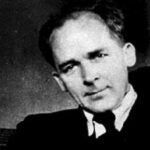
Otto Hahn was a man who changed science forever—yet struggled with the consequences of his own discovery. A brilliant chemist, he unlocked the power of nuclear fission, paving the way for both atomic energy and weapons. But beyond the lab, Hahn was a man of ethics, resilience, and quiet leadership during turbulent times.
This biography explores his journey from a curious boy in Germany to a Nobel Prize winner whose work reshaped the modern world.
Early Life & Background
Born on March 8, 1879, in Frankfurt, Germany, Otto Hahn was the youngest son of a successful businessman. Though his father wanted him to study architecture, young Otto was fascinated by chemistry—a passion that led him to the University of Marburg.
After earning his doctorate in 1901, he worked under legendary scientists like Sir William Ramsay in London and Ernest Rutherford in Montreal, mastering radiochemistry—a field that would define his career.
Career & Achievements
1. The Discovery of Nuclear Fission (1938)
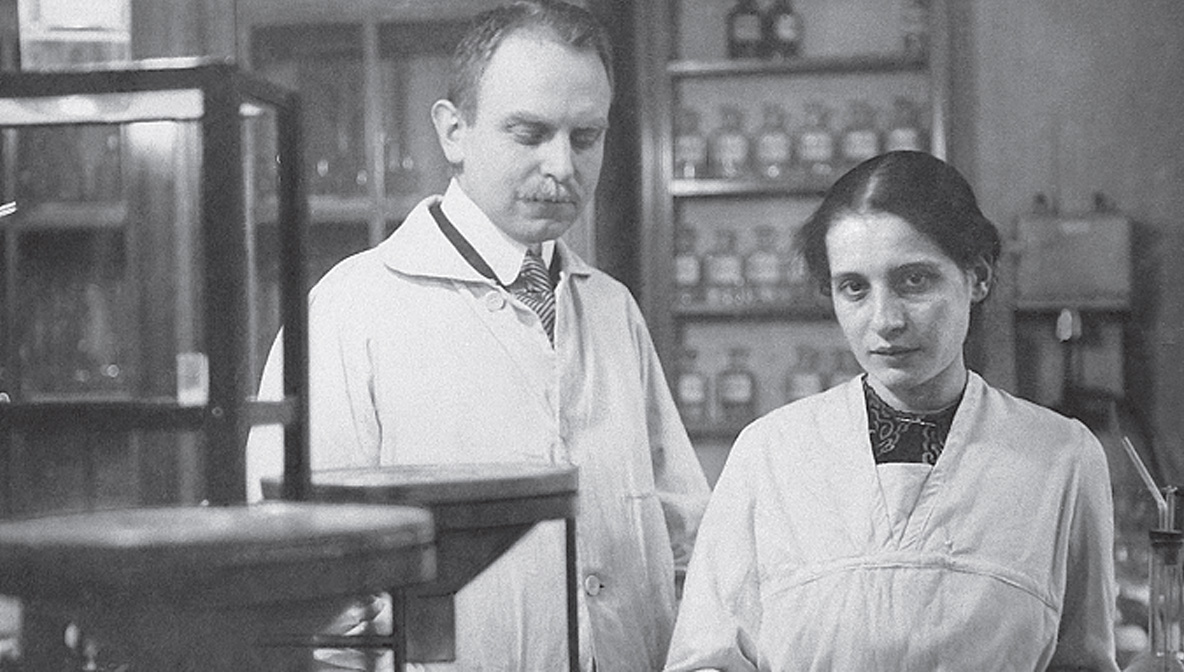
Working with physicist Lise Meitner (his longtime collaborator) and chemist Fritz Strassmann, Hahn made the breakthrough of the century:
-
They bombarded uranium with neutrons, expecting heavier elements.
-
Instead, they found barium—proof the atom had split, releasing massive energy.
-
This was nuclear fission—the key to atomic power (and bombs).
2. Nobel Prize & WWII Dilemma (1944)
Hahn won the 1944 Nobel Prize in Chemistry—but the award was delayed until 1946 due to the war.
During WWII, the Nazis pressured him to develop weapons. Though he refused to work on an atomic bomb, his research was used by others.
3. Post-War Advocacy for Peace
After the war, Hahn became a vocal opponent of nuclear weapons, leading the Max Planck Society and promoting peaceful atomic energy.
Personal Life
Hahn married Edith Junghans in 1913, and they had one son, Hanno, who tragically died in a car accident in 1960.
Despite living through two world wars and Nazi rule, Hahn maintained his integrity, protecting Jewish colleagues when possible. He was briefly detained after WWII but later honored as a moral voice in science.
Legacy & Impact
✔ Father of Nuclear Chemistry – His fission discovery revolutionized physics, energy, and warfare.
✔ Ethical Leadership – Unlike some peers, he opposed weaponizing his work.
✔ Scientific Bridge-Builder – Helped rebuild German science after WWII.
Element No. 109 (Meitnerium) was almost named Hahnium in his honor—a testament to his influence.
Final Thoughts & What We Learn
Otto Hahn’s life teaches us:
✔ Science Has Consequences – Even pure research can be used for good or destruction.
✔ Courage in Crisis – He resisted Nazi pressure despite the risks.
✔ Responsibility Matters – After the war, he advocated for peaceful science.
As he said: “Scientific discovery alone is not enough… it must be accompanied by responsibility.”
Why Hahn’s Story Still Resonates
In an age of AI, climate change, and nuclear threats, Hahn’s legacy reminds us that science must serve humanity—not destruction.
Final Word: Otto Hahn wasn’t just a genius—he was a reluctant revolutionary who changed the world.