
Introduction
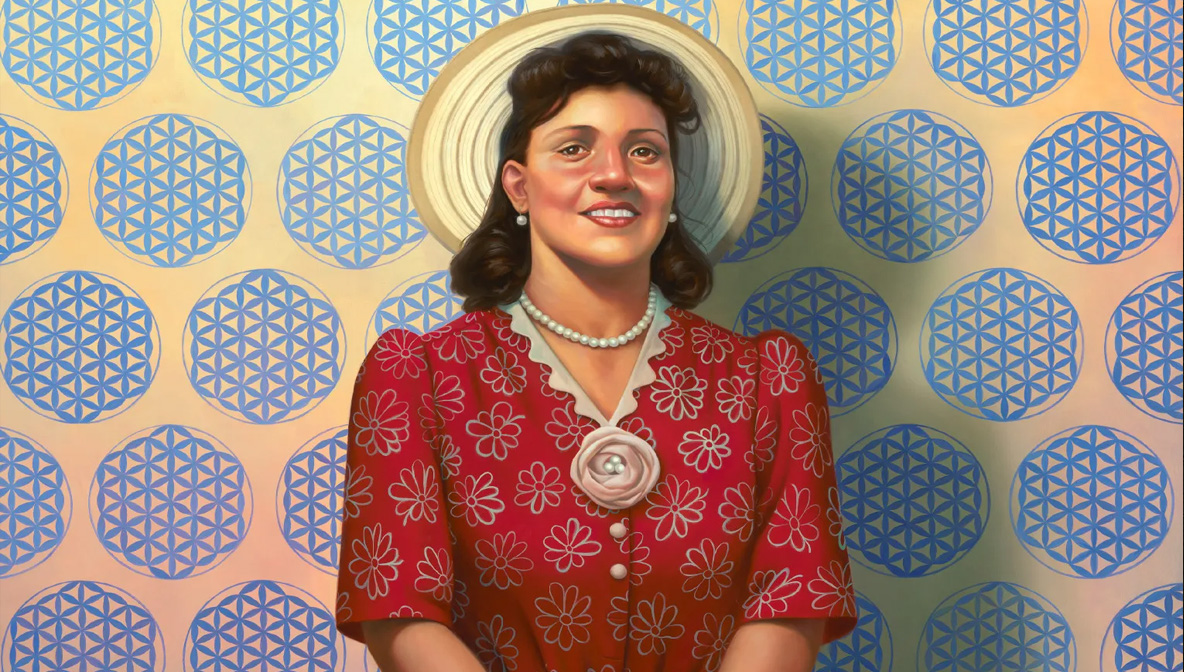
Henrietta Lacks was an African American woman whose cells changed the world of medicine forever. Born in 1920 and passed away in 1951, her cancer cells—taken without her permission—became the first immortal human cells ever grown in a lab. Known as HeLa cells, they helped create vaccines, fight diseases, and power medical breakthroughs for over 70 years. Her story is both inspiring and heartbreaking, raising important questions about consent, ethics, and racial injustice in healthcare.
Who Was Henrietta Lacks?
Henrietta Lacks was an African American woman born on August 1, 1920, in Roanoke, Virginia, USA. She became famous after her cells were taken without her permission in 1951. These cells, known as HeLa cells, helped doctors and scientists make many important medical discoveries.
Early Life
Henrietta was born as Loretta Pleasant, but people later called her Henrietta. After her mother died when she was young, she was raised by her grandfather. She lived in Clover, Virginia, and worked on a tobacco farm.
In 1941, she married David Lacks, and the couple moved to Turner Station, a small African American community in Baltimore, Maryland. They had five children together.
Her Illness and Discovery
In 1951, Henrietta was just 31 years old when she went to Johns Hopkins Hospital in Baltimore because of severe pain in her womb. Doctors found that she had cervical cancer. During her treatment, doctors removed some of her tumor cells without telling her.
At that time, it was common for hospitals to use patients’ cells for research without asking. But something amazing happened with Henrietta’s cells—they kept growing outside her body, even after she died.
The HeLa Cells
Henrietta died on October 4, 1951, but her cells lived on. These cells were the first immortal human cells ever grown in a lab. Scientists called them HeLa cells, using the first two letters of her first and last name.
HeLa cells helped create:
-
The polio vaccine
-
Cancer treatments
-
Research on HIV/AIDS
-
In-vitro fertilization (IVF)
-
Gene mapping and much more
Her cells have been used in over 70,000 studies around the world.
Family and Ethical Issues
Henrietta’s family didn’t know her cells were taken or used for many years. They didn’t get money or credit, even though her cells helped companies make millions of dollars.
This raised big questions about medical ethics, patient rights, and racism in healthcare. Many people believe Henrietta should be honored for her unknowing contribution to science.
Honoring Henrietta Lacks
-
A book titled “The Immortal Life of Henrietta Lacks” by Rebecca Skloot was published in 2010 and became a bestseller.
-
In 2017, it was made into a movie by HBO, starring Oprah Winfrey.
-
In 2021, the World Health Organization (WHO) honored Henrietta for her contribution to medicine.
-
Her story helped change rules about informed consent and patients’ rights.
What We Learn from Henrietta Lacks
-
The importance of patient consent – Everyone should know how their medical information and tissue are used.
-
Medical racism – Her story shows how Black patients were treated unfairly in the past.
-
The power of science – One person’s cells helped save millions of lives.
-
The need for recognition and fairness – Families deserve credit and respect for their loved ones’ contributions.
Final Thoughts
Henrietta Lacks never knew the impact her cells would have on the world, but her legacy lives on in every medical discovery made using HeLa cells. Her story teaches us about the need for respect, fairness, and honesty in science and medicine. While her cells helped save millions of lives, her family’s long fight for recognition reminds us why ethics and equality matter. Henrietta Lacks may not have chosen to become part of history—but today, the world honors her contributions and continues to learn from her powerful story.