
Introduction
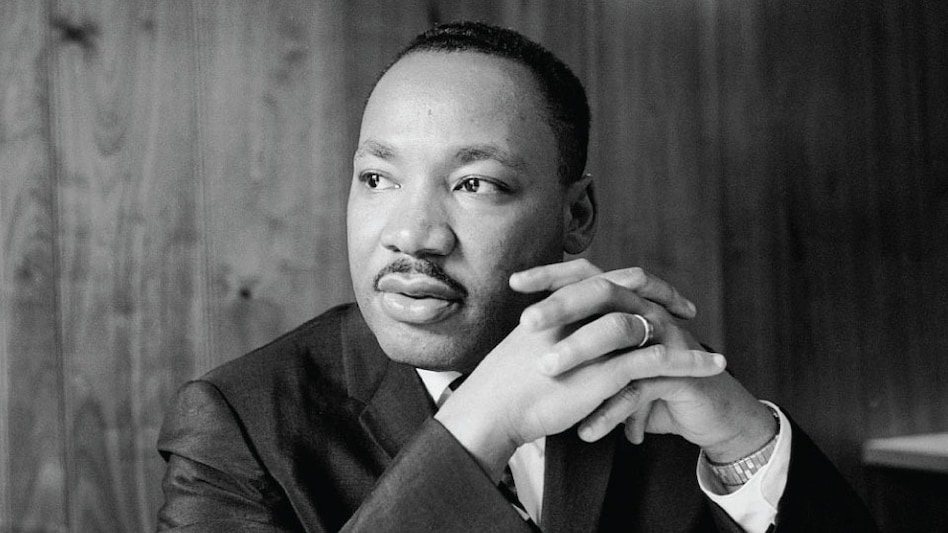
Martin Luther King Jr. was more than a civil rights leader—he was the voice of justice, equality, and hope for millions. His powerful words and peaceful protests challenged a nation to confront racism and injustice, leaving a legacy that still inspires the fight for freedom today.
From the Montgomery Bus Boycott to his legendary “I Have a Dream” speech, King’s courage reshaped America. This biography explores his life, struggles, triumphs, and the timeless lessons he left behind.
Early Life & Background
Born Michael King Jr. on January 15, 1929, in Atlanta, Georgia, he later adopted the name Martin Luther after his father was inspired by the Protestant reformer.
Growing up in the segregated South, young Martin experienced racism early. His father, a Baptist minister, and his mother, a teacher, taught him about faith, justice, and dignity. A gifted student, he skipped two grades, entering Morehouse College at just 15.
After earning a Ph.D. in Theology from Boston University, King became a pastor—but history had bigger plans for him.
Career & Achievements
1. The Montgomery Bus Boycott (1955-1956)
When Rosa Parks was arrested for refusing to give up her bus seat, King led a 381-day boycott, ending segregation on Montgomery’s buses. This made him a national civil rights leader.
2. Founding the Southern Christian Leadership Conference (SCLC)
In 1957, King and other ministers formed the SCLC, organizing peaceful protests across the South.
3. The March on Washington & “I Have a Dream” (1963)
Before 250,000 people, King delivered one of history’s greatest speeches, demanding racial equality and economic justice.
4. Nobel Peace Prize (1964)
At 35, he became the youngest Nobel laureate for his nonviolent resistance to racism.
5. Selma to Montgomery Marches (1965)
King’s protests led to the Voting Rights Act, ending discriminatory voting laws.
Personal Life
King married Coretta Scott in 1953, and they had four children: Yolanda, Martin III, Dexter, and Bernice.
Despite death threats, bombings, and multiple arrests, he never backed down. His “Letter from Birmingham Jail” (1963) became a manifesto for civil disobedience.
Legacy & Impact
✔ Ended Legal Segregation – His activism led to the Civil Rights Act (1964) and Voting Rights Act (1965).
✔ Global Inspiration – Movements from South Africa to India adopted his peaceful methods.
✔ National Holiday – MLK Day (since 1986) honors his fight for equality.
His speeches, like “I’ve Been to the Mountaintop,” remain rallying cries for justice.
Final Thoughts & What We Learn
King’s life teaches us:
✔ Courage Over Fear – He faced violence with unwavering peace.
✔ Justice Demands Action – Change doesn’t come from silence.
✔ The Power of Dreams – His vision still guides us toward a fairer world.
As he said: “Injustice anywhere is a threat to justice everywhere.”
Why King’s Message Still Matters
In a world still battling racism and inequality, his call for love over hate is more vital than ever.
Final Word: Martin Luther King Jr. wasn’t just a leader—he was the conscience of a nation.