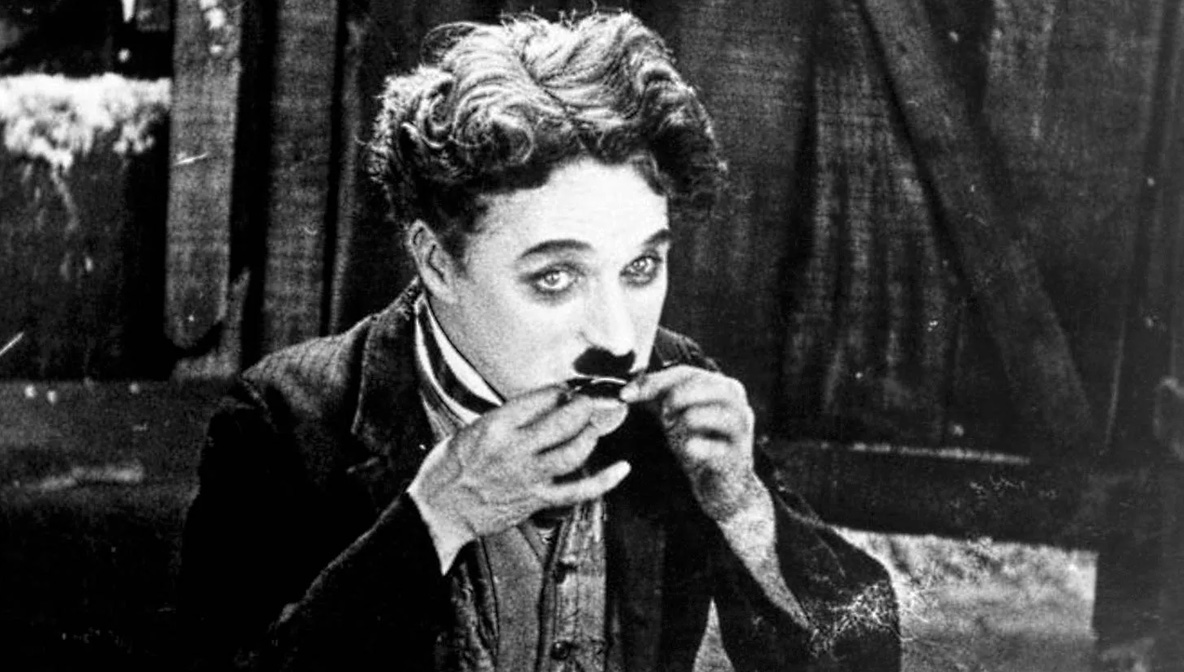

Charlie Chaplin: The Genius Behind the Tramp
Introduction
Sir Charles Spencer Chaplin (1889–1977) was an English actor, filmmaker, composer, and silent film icon who revolutionized comedy and cinema. Best known for his lovable “Tramp” character, Chaplin became one of the most influential figures in film history. His work blended humor with deep social commentary, making him both an entertainer and a critic of society.
Timeline of Charlie Chaplin’s Life
Early Life & Struggles (1889–1913)
-
April 16, 1889: Born in London to music hall performers.
-
1894: Father abandoned the family; mother (Hannah Chaplin) struggled with mental illness.
-
1898: Joined the Eight Lancashire Lads dance troupe.
-
1910: Toured America with the Fred Karno comedy troupe, catching the eye of film producers.
Rise to Stardom (1914–1919)
-
1914: Signed with Keystone Studios, debuted Making a Living.
-
Created the “Tramp” character—baggy pants, bowler hat, cane.
-
1919: Co-founded United Artists with Mary Pickford, Douglas Fairbanks, and D.W. Griffith.
Golden Age of Silent Films (1920–1939)
-
1921: The Kid—his first feature-length film, blending comedy and drama.
-
1925: The Gold Rush—iconic scenes like the “bread roll dance.”
-
1931: City Lights—a silent film in the talkie era, proving its timeless appeal.
-
1936: Modern Times—critiqued industrialization and worker exploitation.
Controversies & Exile (1940–1952)
-
1940: The Great Dictator—bold satire mocking Hitler (his first full talkie).
-
1952: Accused of communist sympathies; exiled from the U.S. during McCarthyism.
-
Moved to Switzerland, where he lived for the rest of his life.
Later Years & Legacy (1953–1977)
-
1972: Returned to the U.S. to receive an Honorary Oscar.
-
March 4, 1975: Knighted by Queen Elizabeth II.
-
December 25, 1977: Died in Switzerland at 88.
Final Thoughts: What Can We Learn from Chaplin?
-
Resilience – From poverty to Hollywood legend.
-
Artistic Courage – Defied studios to control his work (UA founding).
-
Social Conscience – Used comedy to expose injustice (Modern Times, The Great Dictator).
-
Innovation – Perfected physical comedy and silent storytelling.
-
Timelessness – His films remain relevant decades later.
-
Turn Pain Into Art
His poverty and childhood trauma fueled his creative genius. The Tramp was essentially an idealized version of the resilient underdog he’d been. -
Fight for Creative Control
By founding United Artists, he proved artists could succeed without studio interference. -
Silence Speaks Louder
Held out against talkies until 1940, showing visual storytelling’s universal power. -
Comedy as Social Weapon
Used humor to expose injustice – from factory conditions (“Modern Times”) to fascism (“The Great Dictator”). -
Global Citizenship
Became the world’s first celebrity who truly belonged to all nations and classes.
The Chaplin Film Technique Breakdown
Physical Comedy Innovations
-
The Reverse Walk: Moving forward while appearing to go backward
-
The Triple Take: Three escalating reactions to surprises
-
The Inanimate Dance: Making objects “dance” (bread rolls, globe)
Behind-the-Camera Genius
-
Pioneered the “Chaplin Close-Up” – slightly wider than standard to show body language
-
Perfected the “one-reeler” structure (20-30 minute narratives)
-
Insisted on hundreds of takes until perfect (387 for a scene in “City Lights”)