
Introduction
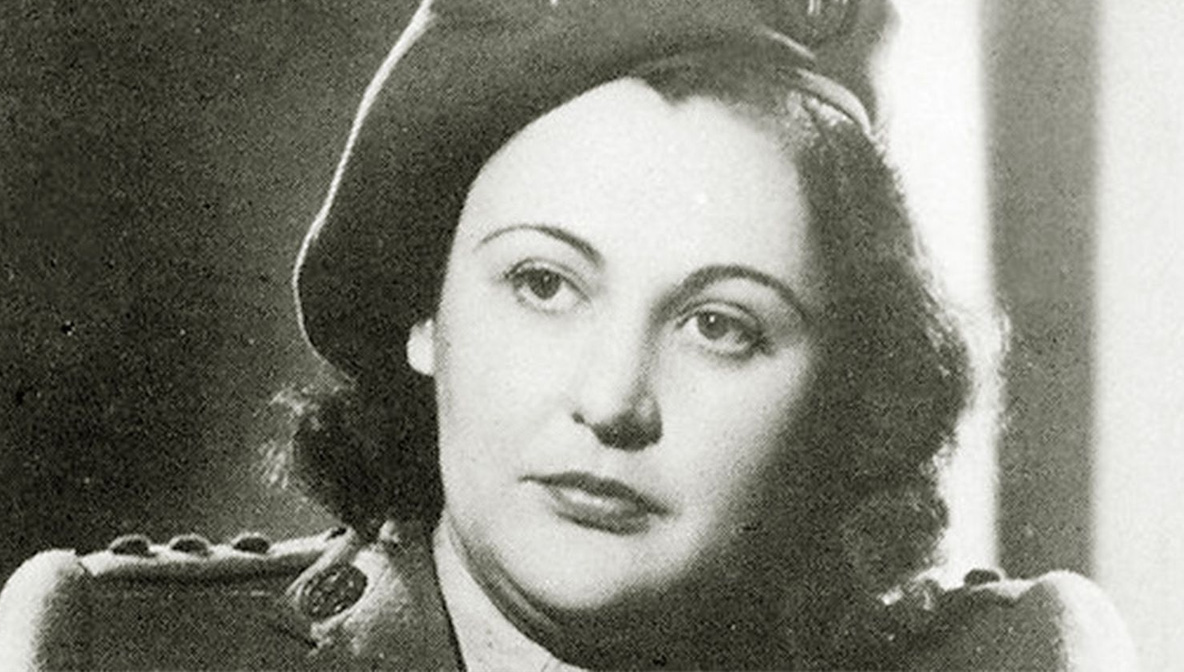
Nancy Wake was one of the most decorated Allied servicewomen of World War II and a key figure in the French Resistance. Known by the Gestapo as “The White Mouse” for her ability to evade capture, her life story is one of incredible bravery, cunning, and resistance against tyranny.
Early Life and Background
Nancy Grace Augusta Wake was born on August 30, 1912, in Wellington, New Zealand, and moved to Sydney, Australia, at the age of 2. Her father abandoned the family when she was young, and her mother raised six children on her own.
Independent and ambitious, Wake left Australia at age 20 and traveled to London, eventually settling in Paris, where she trained as a journalist. She worked as a correspondent in pre-war Europe, witnessing firsthand the rise of fascism and Adolf Hitler’s regime in Germany.
World War II and the French Resistance
Early Resistance Activities
When Germany invaded France in 1940, Nancy Wake joined the French Resistance. Living in Marseille, she helped Allied soldiers and Jewish refugees escape Nazi-occupied France by establishing escape routes through the Pyrenees into Spain. Her activities quickly made her a target of the Gestapo, who dubbed her “The White Mouse” because of her uncanny ability to elude them.
Despite being captured and interrogated several times, she never revealed information and always managed to escape.
Joining the Special Operations Executive (SOE)
In 1943, after being forced to flee France, Wake made her way to Britain, where she joined the Special Operations Executive (SOE) — a British spy agency that trained operatives in sabotage, espionage, and guerrilla warfare.
In 1944, just before D-Day, she parachuted back into France to support the French Resistance. Her mission: organize local resistance fighters (Maquis), coordinate arms drops, sabotage German communications, and prepare the ground for the Allied invasion.
Legendary Acts of Bravery
Nancy Wake led over 7,000 Maquis fighters in battle, becoming one of the few women to command troops during WWII. Some of her most legendary exploits include:
-
Blowing up German supply trains, bridges, and communication lines
-
Killing a German sentry with her bare hands to prevent him from raising an alarm
-
Cycling 500 kilometers in 72 hours through enemy territory to replace lost radio equipment
The Gestapo placed a 5 million franc bounty on her head, yet she continued her missions without fear.
Post-War Life and Recognition
After the war, Wake was awarded numerous medals, including:
-
George Medal (UK)
-
Medal of Freedom (USA)
-
Legion of Honour and Croix de Guerre (France)
-
Companion of the Order of Australia
She married Henry Fioca, a wealthy French industrialist, who tragically died in 1943 after being captured and executed by the Nazis for refusing to betray her.
Wake returned to Australia, tried a political career, and later moved to London, where she worked for British Intelligence. She eventually retired to Port Macquarie, Australia, and later moved to the UK once more.
Nancy Wake passed away on August 7, 2011, in London at the age of 98. Her ashes were scattered in France, near Montluçon, where she had fought with the Resistance.
What We Learn from Nancy Wake
-
Courage knows no gender – Wake defied traditional gender roles, becoming a warrior and a leader.
-
One person can make a difference – Her bravery saved countless lives and inspired resistance across Europe.
-
Stand against oppression – She fought totalitarianism with everything she had, risking her life for freedom.
-
Adaptability and resilience – Whether escaping the Gestapo or coordinating military operations, she was resourceful and determined.
Legacy
Nancy Wake remains an icon of heroism in both Australia and France. Her fearless spirit and relentless resistance efforts helped shape the outcome of World War II. Her life has inspired books, documentaries, and even TV films, including Nancy Wake: The White Mouse (1987).
She stands as a symbol of strength, resistance, and the impact one individual can make in the fight for justice.